
Why Teeth Grinding Down? Causes & Modern Solutions
March 6, 2025Teeth grinding, also known as bruxism, is more than a frustrating habit—it may cause significant damage to your teeth. If your teeth appear shorter, flatter, or more worn, you may unconsciously be grinding them. Day or night, bruxism can result in pain, jaw aches, and even serious dental complications. But don’t fret—contemporary dentistry provides state-of-the-art solutions to repair and shield your smile.

Teeth Grinding Causes & Solutions: Protect Your Smile
What Triggers Teeth Grinding?
The first step in identifying a successful solution is understanding the underlying cause of bruxism. Some of the most prevalent causes are:
- Stress and Anxiety: Excessive stress can lead to unconscious teeth grinding, particularly while sleeping.
- Sleep Disorders: Sleep apnea is usually associated with grinding at night.
- Bite Misalignment: If your teeth are not aligned correctly, your jaw will naturally shift out of place, causing grinding.
- Lifestyle Factors: Too much caffeine, alcohol, and tobacco consumption can lead to bruxism.
- Missing or Damaged Teeth: If you have uneven or missing teeth, your jaw might overcompensate and grind.
If you find yourself with any of these triggers, getting professional advice from a Knoxville Cosmetic dentist can prevent further damage and ensure your oral health.
Signs You Might Be Grinding Your Teeth
Bruxism may not always be detectable, mainly if it occurs at night. Some signs to look out for are:
- Flattened, worn-down, or chipped teeth
- Sensitive teeth
- Jaw pain or stiffness
- Frequent morning headaches
- Ear pain or facial tension
- Popping or clicking of the jaw joint (TMJ)
Is Teeth Grinding Harmful?
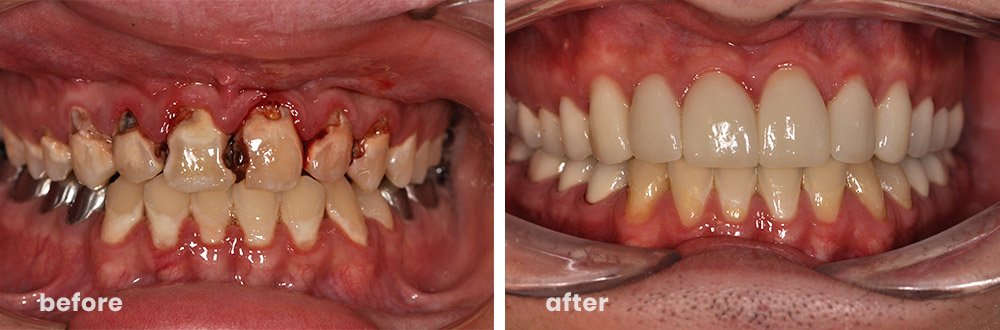
Excessive grinding over time may result in severe wear on the enamel, fractured teeth, and TMJ-like jaw disorders. With early detection, serious dental complications can be averted.
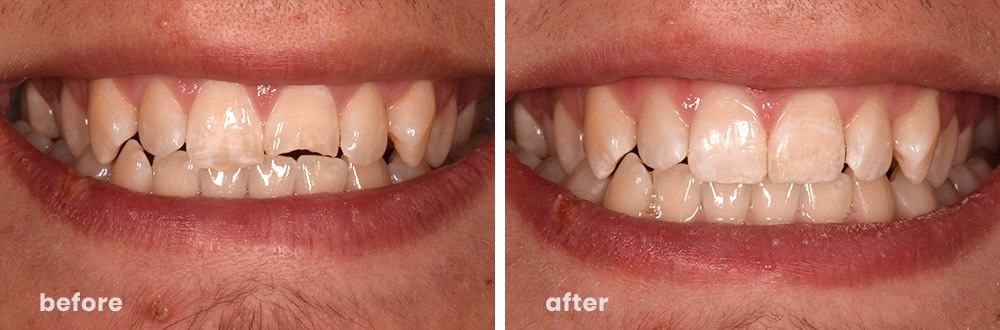
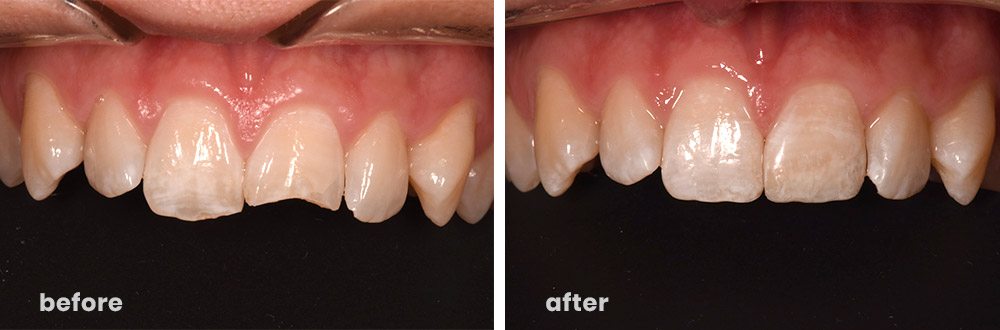
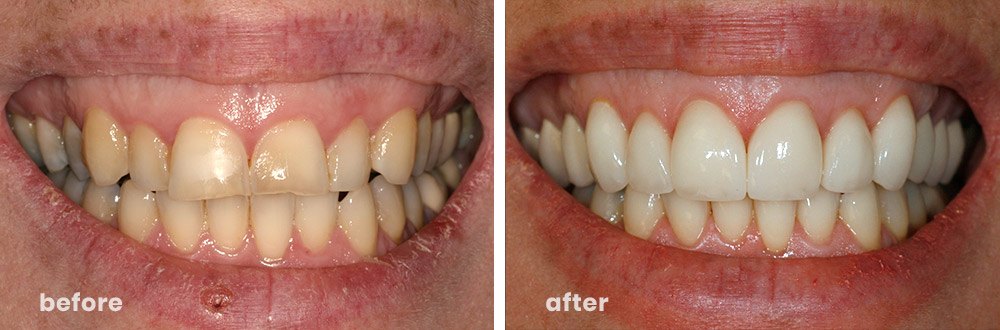
If you’ve noticed these symptoms, early intervention is key. Left untreated, bruxism can lead to severe enamel loss and even tooth fractures, making restorative treatments like porcelain veneers a necessity.
How Modern Dentistry Can Help
The good news is that dentistry has evolved with advanced, practical solutions to treat bruxism and restore your smile. Here are some modern approaches:
Custom Night Guards
An adequately fitted nightguard can shield teeth from grinding during sleep. Custom guards are more comfortable and long-lasting than over-the-counter alternatives.
Invisalign Treatment in Knoxville
If misaligned teeth cause bruxism, Invisalign clear aligners can realign your smile while easing excessive jaw tension. Proper alignment minimizes grinding and prevents additional enamel loss.
Porcelain Veneers for Restoration
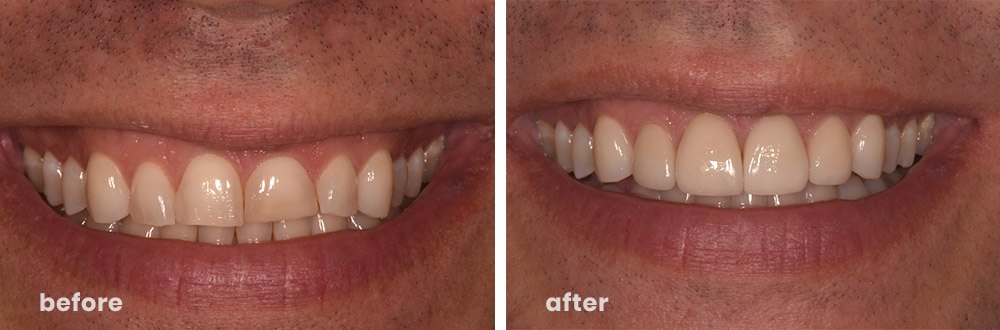
If grinding has already reduced your teeth, porcelain veneers are a strong and attractive option. These fragile shells replace your teeth’ natural shape and look, providing additional protection.
Stress Management and Lifestyle Changes
As stress is the primary cause of bruxism, relaxation methods such as meditation, yoga, or exercise can be beneficial. Limiting the consumption of caffeine and alcohol can also reduce nighttime grinding.
Can Grinding be Cured?
There is no cure for grinding, but it can be stopped or minimized with treatment such as nightguards, Invisalign, and stress reduction.
Take Action Before It’s Too Late
If you think you’re grinding your teeth, don’t wait until it becomes severe. Whether you require a custom night guard, bite adjustment, or Invisalign therapy in Knoxville, up-to-date treatments are available. Knoxville Smiles at Malone & Costa Dentistry provides proactive treatment for maintaining and perfecting your smile. Book your appointment now and discuss your most suitable treatments with a trusted Knoxville dentist.
Share this Article
Back to Cosmetic Dentistry Page