
Toothache Getting Worse? Common Causes and When It Turns Into an Emergency
March 11, 2026A toothache rarely appears out of nowhere. Most of the time, it starts as a mild discomfort that people try to ignore. Maybe the tooth feels sensitive when drinking something cold, or there is a dull ache that comes and goes. Over time, that small annoyance can turn into constant pain that affects eating, sleeping, and even concentration.

When pain gets worse instead of better, it is often your body’s way of signaling that something deeper is happening. Understanding what causes a worsening toothache and knowing when to seek professional help can protect both your oral health and your comfort.
In some situations, the pain may signal a need for emergency dental care, especially if swelling, infection, or severe sensitivity develops quickly. Recognizing those warning signs early can prevent complications and help restore your smile sooner.
Why Toothaches Happen in the First Place
Tooth pain usually develops when the inner structures of a tooth become irritated or inflamed. Teeth contain nerves and blood vessels inside a soft tissue called the pulp. When something disturbs this area, pain often follows.
Tooth Decay
Cavities are one of the most common reasons people experience tooth pain. As bacteria break down tooth enamel, they create tiny holes that slowly reach deeper layers of the tooth. Once the decay approaches the nerve, the pain often becomes more intense and frequent.
Gum Infection
Gum disease can also trigger tooth discomfort. Inflamed gums may pull away from the tooth, exposing sensitive areas and allowing bacteria to collect beneath the gumline. This can cause throbbing pain or tenderness while chewing.
Dental Trauma
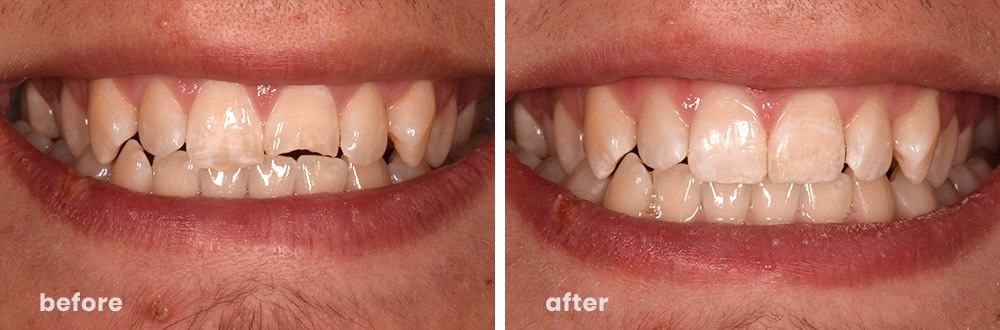
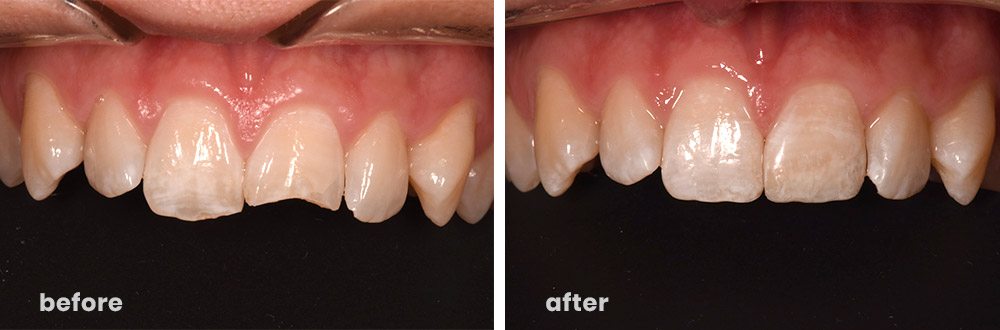
Even a minor injury to a tooth can lead to lingering pain. Biting down on hard foods, grinding teeth at night, or experiencing an impact during sports can irritate the tooth’s inner structures and lead to persistent discomfort.
Warning Signs Your Toothache May Be Getting Serious
A mild toothache may improve with basic care, but certain symptoms suggest the problem is progressing and needs professional attention.
• Persistent or worsening pain
If the pain continues for more than a couple of days or intensifies over time, the underlying cause may be spreading deeper into the tooth.
• Swelling around the gums or face
Swelling often signals infection. Infections rarely heal on their own and typically require prompt evaluation.
• Sensitivity that lingers after eating or drinking
Quick sensitivity is common, but pain that lasts several minutes after exposure to hot or cold foods can indicate nerve irritation.
• Pain when biting or chewing
Pressure-related pain may suggest damage to the tooth structure or inflammation inside the pulp.
• Unusual taste or drainage in the mouth
A persistent bad taste can sometimes occur when an infection forms near the root of a tooth.
When It Is Time to Seek Professional Help
Some toothaches fade quickly. Others continue to worsen until everyday activities become uncomfortable. When that happens, it is important to have the issue examined by a dental professional.
Severe tooth pain often signals that bacteria have reached deeper layers of the tooth or surrounding tissue. If left untreated, infections can spread and lead to additional complications. Prompt toothache treatment helps relieve pain while also addressing the underlying problem before it progresses further.
Dental professionals may recommend several solutions depending on the cause of the pain. Treatment may include removing decay, treating an infection, restoring a damaged tooth, or protecting the nerve from further irritation. The goal is not just to stop the pain but to restore the tooth’s health and function.
Residents in Knoxville who experience worsening pain should not wait too long to seek help. Acting early can often make treatment simpler and more comfortable.
Quick Ways to Ease Toothache Discomfort at Home
While professional care is essential for lasting relief, a few simple steps may help reduce discomfort temporarily.
• Gently swish warm salt water around your mouth to soothe irritated areas and keep the area clean.
• Place a cold pack against the outside of your cheek for short periods to help calm swelling and discomfort.
• Stay away from extremely hot, cold, or sugary foods and drinks that may worsen tooth sensitivity.
• Keep the area clean by brushing gently and flossing around the affected tooth.
These steps can help manage symptoms, but they do not replace professional evaluation.
Your Smile Deserves Quick Relief
Persistent tooth pain can quickly interfere with daily life. Eating becomes difficult, sleep may suffer, and even simple conversations can feel uncomfortable. Getting the right help at the right time can make a big difference.
If a toothache keeps getting worse, do not ignore the warning signs.
• Schedule a prompt dental evaluation
• Identify the cause of the pain early
• Restore comfort and protect your long-term oral health
Visit our dental clinic in Knoxville if tooth pain is not improving or if the discomfort suddenly becomes severe. The team at Knoxville Smiles at Malone & Costa Dentistry is here to help patients find lasting relief and protect their smiles with timely care.
FAQs :
Tooth pain can raise a lot of questions. Here are a few answers patients commonly look for when discomfort starts to worsen.
How long should a toothache last before seeing a dentist?
If a toothache lasts more than two days or becomes more intense, it is best to schedule an exam. Persistent pain often means there is an underlying issue that needs attention.
Can a toothache go away on its own?
Occasionally, mild irritation may improve temporarily. However, if decay or infection is present, the problem usually returns and becomes worse without treatment.
What does an infected tooth feel like?
An infected tooth may cause throbbing pain, swelling, sensitivity to temperature, or a bad taste in the mouth. These symptoms should be evaluated as soon as possible.
Is it safe to wait if the pain comes and goes?
Intermittent pain can still indicate a developing dental issue. Even if the discomfort fades, a dental exam helps identify the cause before it worsens.
Share this Article
Back to Emergency Dentistry Page