
Managing Gum Disease While Preparing for Wisdom Teeth Removal
February 27, 2025Dealing with gum disease and wisdom teeth problems simultaneously can be very overwhelming. You may feel pain, swelling, or even have difficulty eating, especially if your wisdom teeth are partially erupted. If you are waiting for wisdom teeth removal, taking proactive steps to keep your gums healthy is essential. Effective management of gum disease will not only help minimize pain and reduce the risk of infection but also bring a sense of relief, preparing you for a smooth recovery post-surgery.
At Knoxville Smiles at Malone & Costa Dentistry, managing these conflicting oral health issues may drive you nuts. Rest assured, the experienced dentists in Knoxville here at Knoxville Smiles at Malone & Costa Dentistry are here to guide you through this process with their expertise and care. Here are ways to take care of your gum health while waiting for your wisdom teeth treatment in Knoxville.
Timely Identification of Gum Disease Near Wisdom Teeth
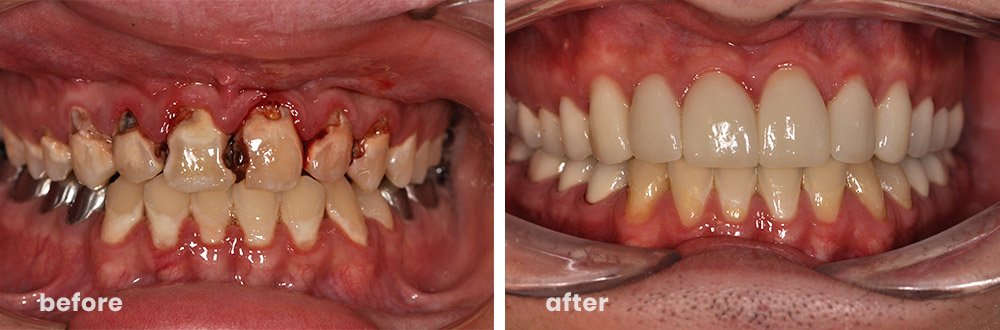
Wisdom teeth often cause gum problems because they are located in the back of the mouth. The limited space and difficulty cleaning the area often cause gum inflammation and infection. Some common symptoms to look out for include:
- Pain and tenderness around your gums or jaw.
- Swelling in the gums, especially near partially erupted wisdom teeth.
- Bleeding during brushing or flossing.
- Persistent bad breath or an unpleasant taste in your mouth.
There can be signs of pericoronitis, an infection within the gum surrounding a partially erupted wisdom tooth.
- Address the symptoms: These should not be left alone and are sometimes associated with pericoronitis. Uncontrolled gum diseases worsen and complicate oral surgery procedures.
Indeed, partially erupted or impacted wisdom teeth commonly contribute to gum disease. These cause space for food and bacterial accumulation, causing inflammation and infection. As such, the importance of good oral hygiene habits and regular visits to the dentist cannot be emphasized enough.
Controlling Gum Disease through Daily Care
Taking care of your gums while waiting for wisdom teeth removal doesn’t have to be tough. Here are some effective strategies that can reduce gum disease symptoms:
1. Keep Your Mouth Clean
Brush your teeth twice daily with a soft-bristled toothbrush, paying special attention to the area surrounding your wisdom teeth. Floss gently to remove food particles and plaque that may irritate your gums. Consider using an antimicrobial mouthwash to kill bacteria and keep your breath fresh.
To gently clean around partially erupted wisdom teeth, use a soft-bristled toothbrush to brush the area. Rinse with an antimicrobial mouthwash or salt water, and consider using an interdental brush or water flosser to remove debris from hard-to-reach spaces.
2. Rinse with Salt Water
This could reduce swelling and ease pain. Dissolve half a teaspoon of salt in a glass of warm water. Swish around your mouth for 30 seconds, and then rinse. This will prevent infection and reduce discomfort in the pericoronitis case.
3. Hydration
Drinking enough water can help rinse away food and bacteria that could irritate your gums. You should also avoid sweet or acidic drinks that can help cause gum disease.
If you have gum disease, you should avoid hard, sticky, or crunchy foods, such as chips or popcorn, that can irritate your gums for soft, nutrient-rich foods like yogurt, mashed potatoes, and smoothies.
4. Eat Soft, Nutritious Foods
Use foods that are easy to chew, such as yogurt, applesauce, and mashed potatoes. Avoid sticky and hard foods, which could aggravate the irritation in the gums or become stuck near the wisdom teeth.
5. Attend Regular Dental Visits
Regular visits to Knoxville Smiles at Malone & Costa Dentistry are essential for managing gum disease. Our dentists can monitor your gums, clean hard-to-reach areas, and recommend treatments to minimize pain and inflammation, promoting proactive dental care.
Why Treat Gum Disease Before Wisdom Teeth Removal?
Managing gum disease before your oral surgery is essential for several reasons:
- It reduces the risk of complications, such as infection or delayed healing after wisdom teeth removal.
- Healthy gums make the surgical site more straightforward to maneuver, thus providing a smoother surgery.
- Early treatment of gum problems prevents their spread or severity during recovery.
Yes, gum disease can affect wisdom teeth surgery. Infected or inflamed gums may heal longer; untreated gum disease increases the chance of post-surgical complications, such as infections.
When to See a Professional
While home care is essential, some symptoms must be seen by a dentist immediately. Contact Knoxville Smiles if you have any of the following:
- You have severe or worsening pain that does not respond to over-the-counter pain medication.
- You have significant swelling or are unable to open your mouth.
- You have persistent bleeding from your gums.
Our experienced team is committed to providing compassionate care for patients in Knoxville, ensuring that your wisdom teeth treatment and gum health are handled with precision and comfort.
Preparation for a Healthier Smile
Coping with gum disease during the waiting period for the third molars to be removed can be challenging, but managing it is easy with the right approach. At Knoxville Smiles at Malone & Costa Dentistry, we ensure good oral health before and after your procedure.
Whether you have gum disease, pericoronitis, or other problems related to wisdom teeth, it is time to seek the treatment needed. Lean on a great Knoxville dentist to help you find your path to a healthier, pain-free smile. Contact us today to schedule an appointment and take the first step toward better oral health!
Share this Article
Back to Dentistry Page