
Is Your Tooth Dying Quietly? Spot Decay Before It’s Too Late
February 11, 2026Dental decay often creeps up silently, without obvious pain or warning signs. By the time discomfort appears, the damage may already be significant. Recognizing early indicators of tooth decay is crucial for protecting your smile, maintaining oral health, and avoiding more extensive treatments later on. Understanding what to look for allows you to take action quickly and confidently.

Early Symptoms of Tooth Decay and How to Spot Them
Catching tooth decay in its early stages can save your teeth and prevent costly dental work. Here’s what you should watch out for:
1. Sensitivity to Hot, Cold, or Sweet Foods
A fleeting twinge of discomfort when sipping ice-cold water or biting into a sweet treat can be an early signal. This sensitivity occurs because decay erodes enamel, exposing the underlying dentin. Pay attention to patterns of sensitivity; consistent reactions are a warning sign that your tooth may be in distress.
2. Visible Spots or Discoloration
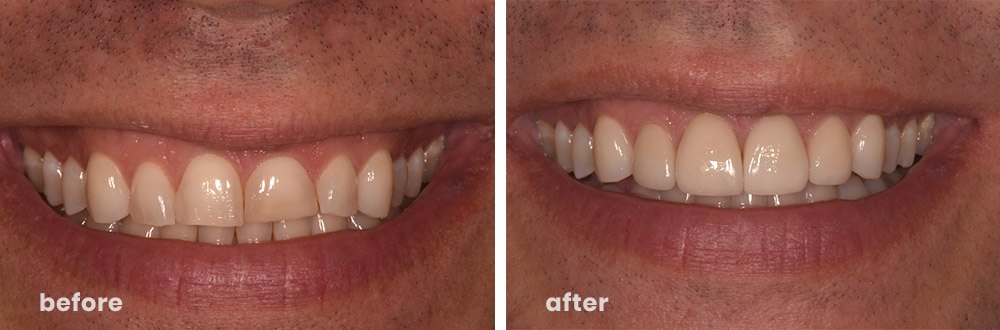
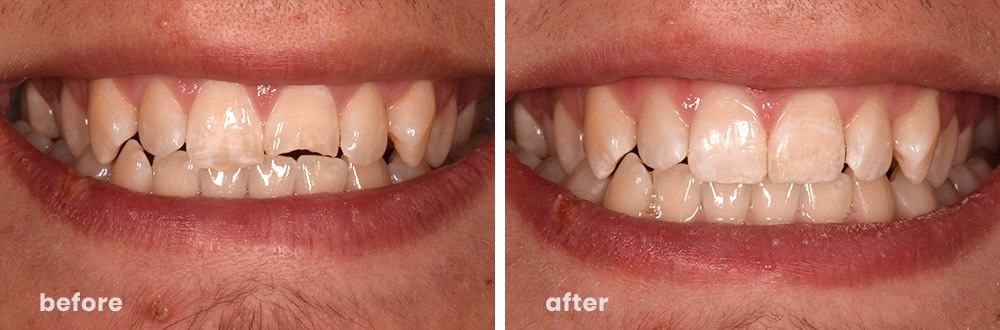
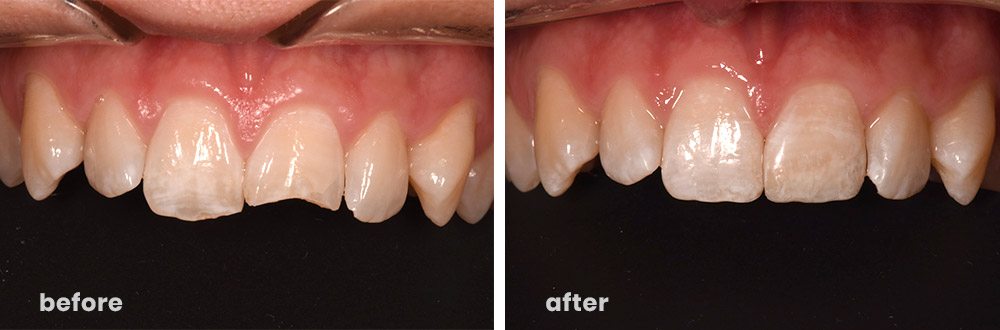
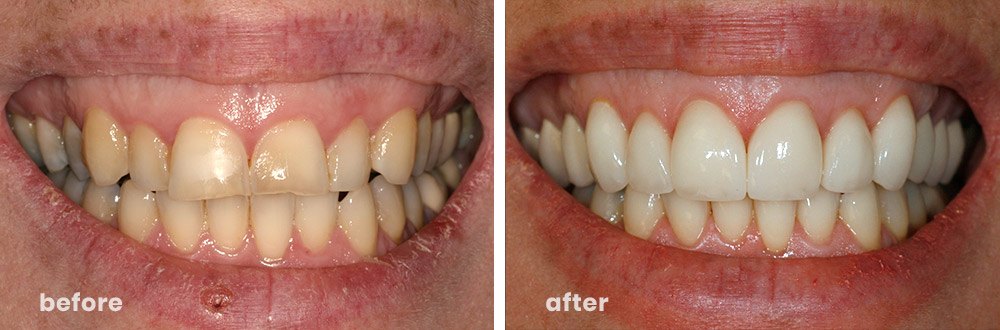
White, brown, or dark spots on the surface of your teeth often indicate enamel weakening. These spots may appear on molars or the front teeth and can expand over time. Regular visual checks can help you notice changes early, even before pain develops. Consulting a skilled dental practitioner can confirm whether these spots are harmless or signs of developing decay, allowing you to act before damage worsens.
3. Mild Pain When Chewing
A tooth that hurts slightly when pressure is applied may have decay beneath the surface. Often, patients mistake this for temporary discomfort or jaw fatigue, but persistent pain is a cue that requires professional attention.
4. Bad Breath or Unpleasant Taste
Persistent bad breath or a metallic taste in your mouth may indicate bacterial growth caused by tooth decay. While it can also relate to diet or other oral health issues, ignoring these signs may allow decay to progress unnoticed.
5. Tiny Cracks or Chips in Teeth
Decay can weaken your enamel and cause subtle cracks or chips. Even minor damage can let bacteria penetrate deeper into your tooth, accelerating the decay process. Monitoring for small changes in your teeth is essential for early intervention.
6. Gum Tenderness Around a Tooth
Inflamed or tender gums near a single tooth could suggest decay reaching the gum line. While gum issues are often linked to gingivitis, localized tenderness might be your body’s way of signaling trouble beneath the surface.
Why Early Detection Matters
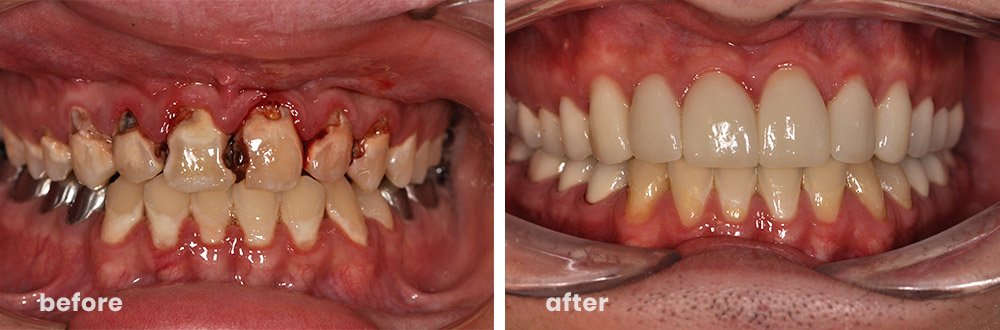
Seeing a skilled dental practitioner early makes a significant difference. Detecting decay at an early stage allows for treatments such as minimally invasive fillings or enamel repair, preserving more of your natural tooth. When left untreated, decay can spread to the tooth’s core, causing infection, nerve damage, and even tooth loss. Proactive care not only prevents discomfort but also saves time, money, and the need for extensive dental procedures down the line.
Tips to Stay Ahead of Tooth Decay
- Brush twice daily with fluoride toothpaste.
- Floss daily to remove food particles between teeth.
- Limit sugary snacks and drinks.
- Rinse with a fluoride mouthwash if recommended.
- Schedule routine dental check-ups at least twice a year.
Protect Your Smile in Knoxville, TN
Don’t wait for tooth pain to force you into urgent care. Early attention can save your natural teeth and keep your smile healthy. Contact us today and let our experienced team help you spot decay before it becomes a serious problem. Your teeth deserve proactive care, and we’re here to provide it with precision and compassion.
Quick FAQs About Tooth Decay
Wondering if your teeth are safe? Here are answers to common concerns:
Q1: Can a tooth decay without pain?
Yes. Early decay often develops silently, making regular dental exams crucial to detect it before symptoms appear.
Q2: How often should I visit a dental practitioner to prevent decay?
Most patients benefit from check-ups every six months, but your dentist may recommend more frequent visits based on your oral health.
Q3: Can bad breath signal tooth decay?
Persistent bad breath or a metallic taste can indicate decay or bacterial buildup, especially if oral hygiene habits are consistent.
Q4: Are white spots on teeth a warning sign?
Yes. White spots often indicate enamel demineralization, an early stage of decay that can be treated before cavities form.
Q5: What’s the best way to prevent decay at home?
Brushing with fluoride toothpaste, flossing daily, limiting sugary foods, and staying on top of dental check-ups are key preventive measures.
Share this Article
Back to Dentistry Page