
Can Gum Disease Be Cured Without Surgery?
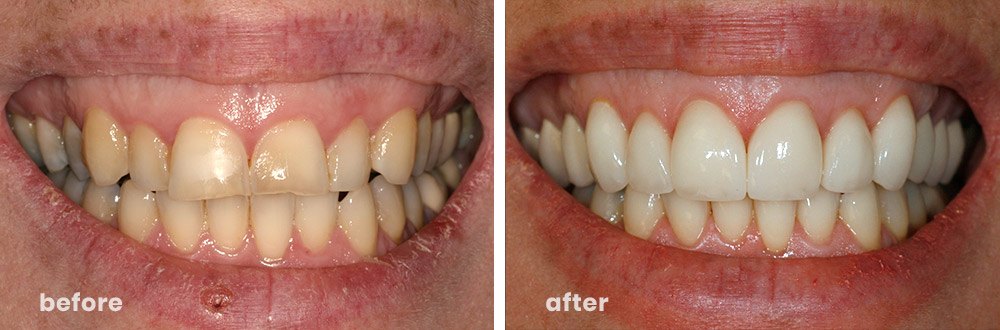
January 21, 2025If your gums bleed when you brush, or you notice swelling or tenderness, you are not alone. Gum disease affects over half of American adults aged 30 or above, according to the American Dental Association (ADA). The discomfort and worry about losing your smile can be overwhelming, but the good news is there are non-surgical treatments available. Let’s explore your options for restoring your gum health without surgery.
Understanding Gum Disease and Why Early Treatment Matters
Gum disease doesn’t just threaten your smile—it can impact your overall health if left untreated. However, the good news is addressing it early can prevent long-term damage. Read on to understand why early treatment is so important and how it can save your health.
What is gum disease, and why should you care?
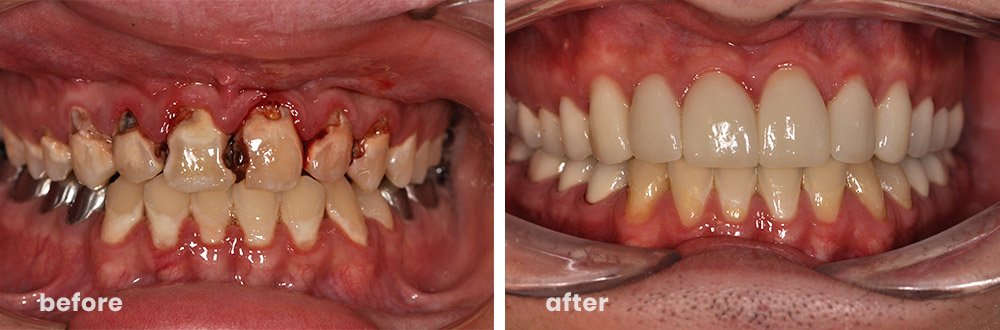
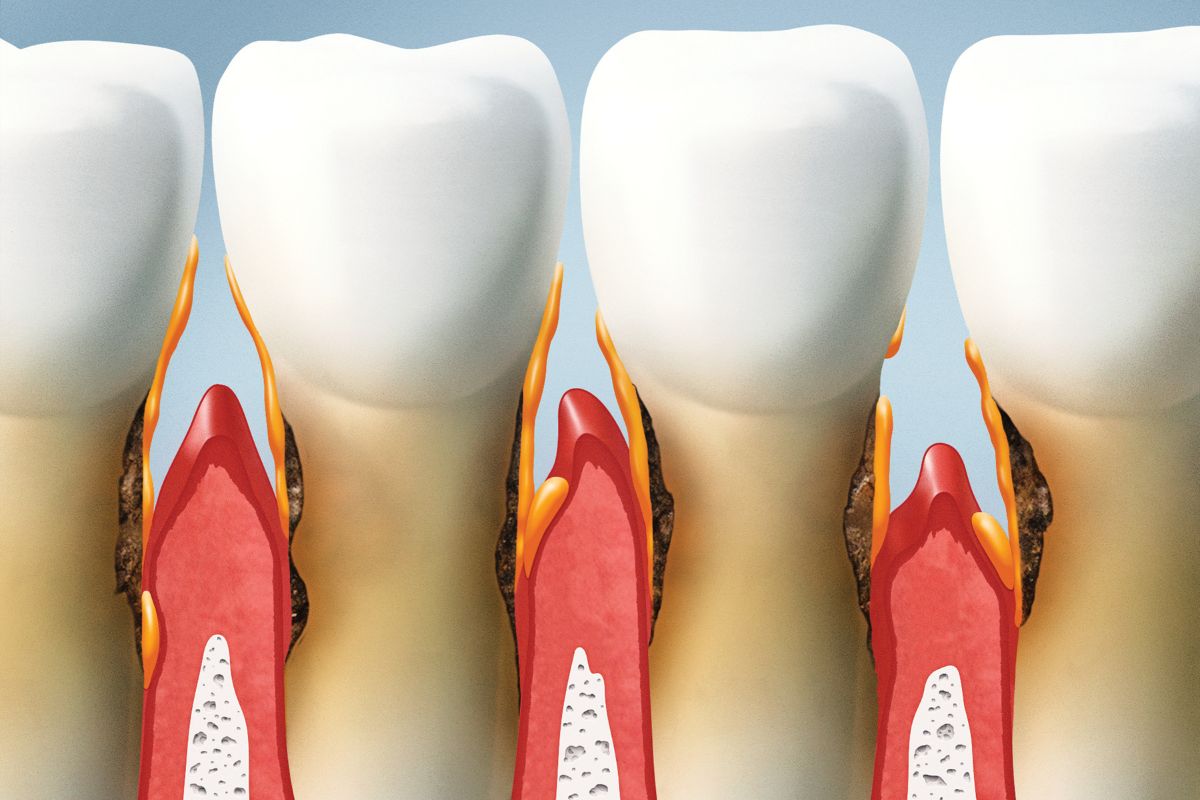
Gum disease starts as gingivitis, which causes redness, swelling, and bleeding gums. It is reversible in this stage with proper care. Gingivitis, however, can develop into periodontitis if treatment is not received. This advanced stage can lead to gum recession, loose teeth, and even tooth loss. Beyond your mouth, gum disease has been linked to serious conditions like heart disease, diabetes, and strokes.
How is Gum Disease and Overall Health Linked?
Gum disease isn’t just a localized problem; it’s connected to your body’s overall health. Studies show that untreated gum infections can increase the risk of heart attacks, strokes, and certain cancers. Addressing gum disease early isn’t just about saving your smile—it’s about protecting your entire well-being.
Non-Surgical Treatments: Effective Solutions for Gum Disease
Non-surgical treatments offer a practical way to stop gum disease in its tracks and even reverse its early stages. These options are often simple, comfortable, and highly effective. Let’s take a closer look at how you can heal your gums without resorting to surgery.
Deep Cleaning (Scaling and Root Planing)
A deep cleaning procedure, also known as scaling and root planing, removes plaque and tartar from below the gumline. This process also smooths the tooth roots, allowing the gums to heal and reattach to the teeth. Dentists numb the area to ensure comfort during the treatment, and it’s especially effective for people with deep gum pockets or moderate gum disease.
Improved Oral Hygiene and Regular Cleanings
Daily brushing and flossing are your first defense against gum disease, and they play a major role in reversing gingivitis. If you’ve been diagnosed with early-stage gum disease, your dentist may recommend extra professional cleanings to prevent the buildup of plaque and tartar. Together, these steps can reverse the damage and set your gums on the path to recovery.
Topical or Oral Antibiotics
Sometimes, your dentist may prescribe antibiotics to target bacterial infections in your gums. These antibiotics can be applied directly to the gums or taken orally to address deeper infections. This treatment works best when combined with deep cleaning or other professional care to ensure the infection is completely eradicated.
Can Gum Disease Truly Be Cured Without Surgery?
Can gum disease really be cured without surgery? The answer depends on the stage of the disease and how soon it’s addressed. Early intervention is key, and non-surgical treatments can be remarkably effective.
Gingivitis, the earliest stage of gum disease, can often be reversed with improved hygiene and professional cleanings. However, advanced cases of periodontitis may require more aggressive interventions. The most important step is to act quickly and work with your dentist to create a personalized care plan.
Living with gum disease doesn’t have to mean surgery. Non-surgical options like deep cleaning, antibiotics, and better hygiene can often restore your gum health. By catching gum disease early, you can protect your smile and avoid more invasive procedures. Don’t wait to address gum disease—schedule an evaluation with your dentist today. Early treatment is the key to success, and your health and smile will thank you.
Share this Article
Back to Restorative Dentistry Page