
What Causes Bad Breath? Effective Ways to Keep Your Breath Fresh All Day Long
March 4, 2026Bad breath can feel embarrassing, but it is also incredibly common. Most people deal with it at some point during the day, especially after meals or when they wake up in the morning. The good news is that bad breath usually has identifiable causes and practical solutions. When you understand what leads to unpleasant breath, it becomes much easier to keep your mouth feeling fresh and healthy.

Many patients are surprised to learn that bad breath is often connected to underlying oral health issues rather than just what they ate for lunch. A qualified oral health specialist can often pinpoint the source and recommend the right bad breath treatment when simple home care is not enough.
Common Dental Reasons for Bad Breath
When people think about bad breath, they often blame strong foods like garlic or onions. While food can play a role, the real issue often lies inside the mouth itself. Understanding the dental reasons for bad breath can help you take the right steps to address it.
Bacteria on the Tongue
The tongue has tiny grooves where bacteria and food particles can collect. These bacteria release sulfur compounds that create an unpleasant odor. Without proper cleaning, the tongue becomes one of the biggest contributors to persistent bad breath.
Gum Disease
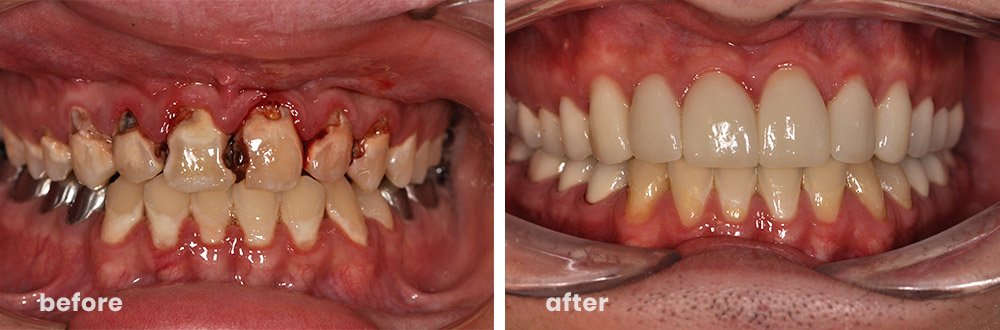
Inflamed or infected gums create pockets where bacteria can hide and multiply. As gum disease progresses, the odor becomes stronger and more noticeable. Bleeding gums, swelling, or tenderness may accompany the smell.
Tooth Decay and Plaque Buildup
Plaque forms when bacteria mix with food debris in the mouth. If plaque is not removed regularly, it can lead to cavities and trapped particles around the teeth. These areas produce odors that brushing alone may not fully eliminate.
Dry Mouth
Saliva naturally cleans the mouth by washing away food particles and bacteria. When saliva production decreases, bacteria grow more easily and cause bad breath. Dry mouth often occurs during sleep, which explains why morning breath is so common.
Everyday Habits That Help Keep Breath Fresh
Simple daily habits can make a big difference in preventing unpleasant breath. Small adjustments to your routine often produce noticeable results.
• Brush your teeth twice a day
Use a soft-bristle toothbrush and fluoride toothpaste to remove plaque and food particles.
• Clean your tongue regularly
A tongue scraper or toothbrush can help remove odor-causing bacteria that collect on the surface.
• Stay hydrated throughout the day
Drinking water supports saliva production and helps rinse away debris.
• Floss daily
Flossing removes trapped food between teeth where a toothbrush cannot reach.
• Limit strong-smelling foods before social events
Garlic, onions, and certain spices can linger in the mouth and bloodstream.
• Schedule regular dental visits
Routine cleanings remove hardened plaque and help detect early issues.
When Bad Breath Signals a Bigger Oral Health Concern
Occasional bad breath is normal. However, a persistent odor that does not improve with brushing and flossing may indicate a deeper problem. Cavities, gum infections, and bacterial buildup can all contribute to ongoing odor that requires professional attention.
Dental professionals evaluate the entire mouth to identify the cause. They may look for signs of plaque accumulation, gum inflammation, or areas where bacteria collect. Once the underlying issue is addressed, most patients notice a significant improvement in breath freshness.
Patients in Knoxville often assume mouthwash alone will solve the problem. While mouthwash can temporarily mask odor, it does not eliminate the root cause if bacteria or gum issues remain.
Quick Daily Habits for Long-Lasting Fresh Breath
Keeping breath fresh throughout the day does not require complicated routines. Consistency is the key.
• Start the morning by brushing your teeth and tongue.
• Drink water regularly to prevent dry mouth.
• Avoid skipping flossing at night.
• Replace your toothbrush every three to four months.
• Visit your dentist for professional cleanings.
These simple habits help maintain a cleaner mouth and healthier smile.
Fresh Breath Starts With the Right Care
If bad breath keeps coming back, no matter how careful you are with brushing and flossing, it may be time for a professional evaluation. A dental team can identify the cause and help restore confidence in your smile.
At Knoxville Smiles at Malone & Costa Dentistry, patients receive personalized care designed to address concerns like persistent breath odor and overall oral wellness. Visit our dental clinic in Knoxville to schedule your appointment and take the first step toward a healthier, fresher smile.
FsQs :
1. Why do I have bad breath even after brushing?
Brushing alone may not remove bacteria on the tongue or between teeth. Flossing and tongue cleaning are equally important.
2. Can dehydration cause bad breath?
Yes. When your mouth is dry, bacteria grow more easily and produce odor.
3. Does mouthwash cure bad breath?
Mouthwash can temporarily freshen breath, but it does not treat the underlying cause if dental problems are present.
4. How do dentists treat chronic bad breath?
Dentists evaluate the mouth for gum disease, plaque buildup, and cavities, then recommend appropriate treatment based on the cause.
5. When should I see a dentist for bad breath?
If bad breath lasts for several weeks despite good oral hygiene, it is best to schedule a dental visit for evaluation.
Share this Article
Back to Dentistry Page