
How a Missing Tooth Affects Your Oral Health If Not Replaced
February 4, 2026Losing a tooth might seem like a small problem, especially if it doesn’t hurt. But even a single missing tooth can trigger a chain reaction of oral health issues. Beyond just affecting your smile, it can influence chewing, jaw alignment, and the overall health of your mouth. Understanding the consequences of leaving a gap empty is the first step toward keeping your smile strong and healthy.
Shifting Teeth and Bite Changes
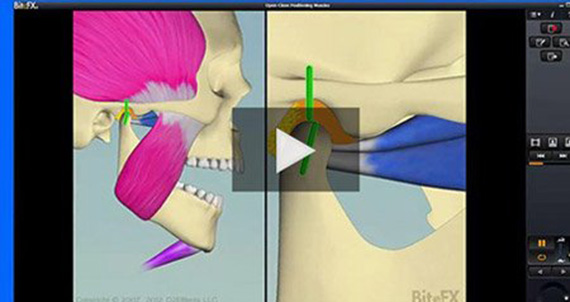
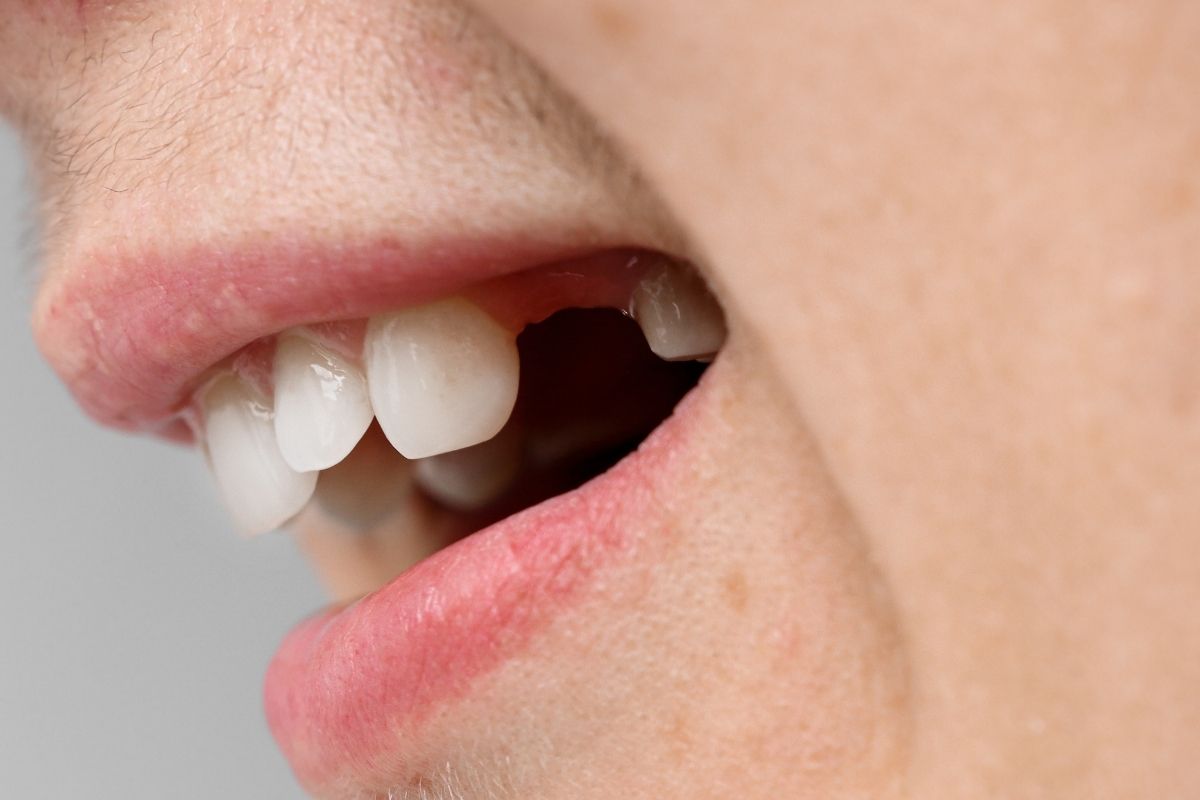
When a tooth is lost, neighboring teeth shift toward the empty space. This movement can lead to misalignment, making it harder to bite and chew properly. Over time, this uneven bite can put extra stress on your jaw joints, causing discomfort or jaw fatigue. It may even increase the risk of developing temporomandibular joint (TMJ) issues.
Bone Loss in the Jaw
The root of a tooth stimulates the jawbone through daily chewing. Without that stimulation, the bone in the area begins to shrink or resorb. Bone loss doesn’t just change the shape of your jaw—it can weaken surrounding teeth and make future dental restorations more complicated. Replacing a missing tooth with proper dental restoration preserves bone structure and helps maintain the natural contours of your face.
Difficulty Eating and Speaking
Missing teeth affect more than appearance; they impact daily function. You might notice difficulty chewing certain foods, leading to dietary changes or discomfort. Speech can also be affected, especially if the missing tooth is near the front. Sounds like “s,” “t,” or “f” may become harder to pronounce clearly, which can affect confidence in social and professional settings.
Increased Risk of Gum Disease and Tooth Decay
Gaps between teeth create spaces where food particles and bacteria can accumulate. Over time, this increases the risk of gum disease and cavities in neighboring teeth. Maintaining oral hygiene becomes more challenging, and untreated gum issues can progress to more serious conditions, such as periodontitis, which affects the bone and tissues supporting your teeth.
Changes in Facial Structure
Long-term tooth loss can subtly affect your facial structure. The jawbone shrinkage mentioned earlier can cause the cheeks to appear sunken and the lips to lose support. These changes can make you look older than you are and alter the natural symmetry of your smile.
Restoring Your Smile: Why Timing Matters
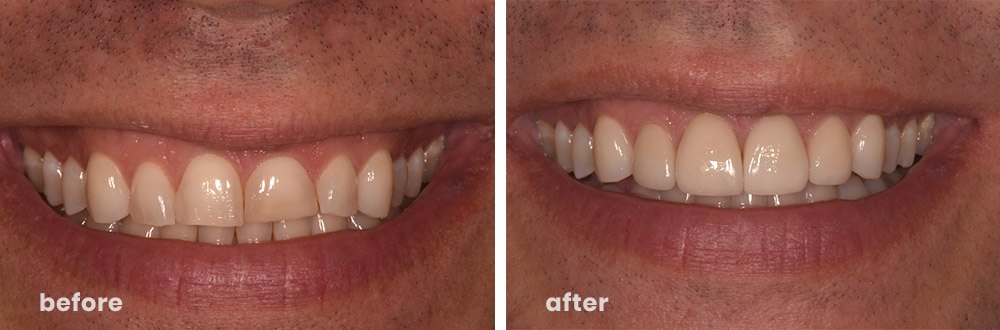
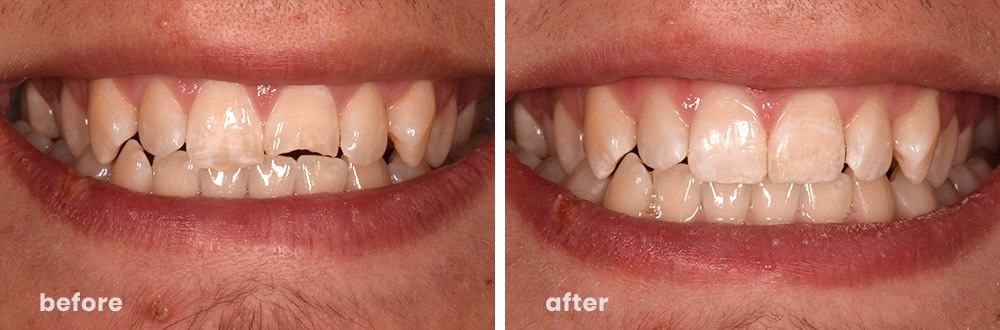
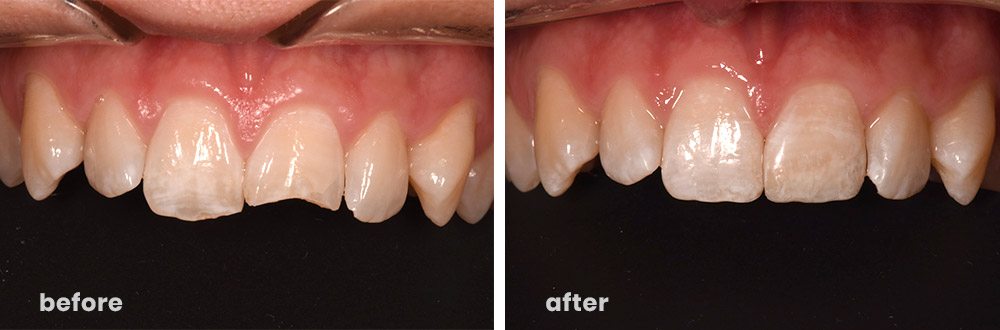
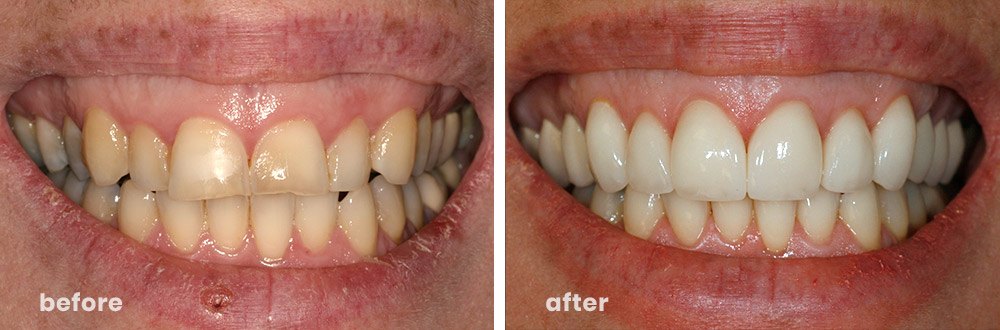
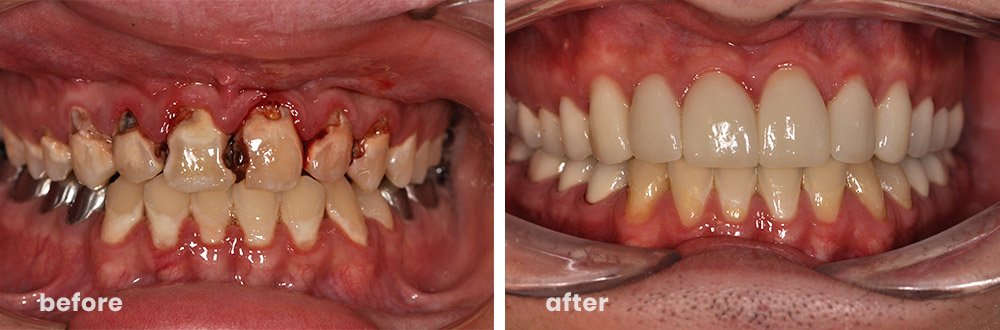
Dental restoration options like implants, bridges, or partial dentures are designed to replace missing teeth and restore function. Prompt replacement not only improves aesthetics but also prevents many of the oral health issues listed above. The sooner you act, the easier it is to maintain healthy bones and alignment, protecting your smile for years to come.
Keep Your Smile Healthy – Visit Us in Knoxville, TN
Don’t let a missing tooth quietly harm your oral health. Take action now and protect your smile with effective solutions. Visit our dental clinic in Knoxville, TN, where our team provides personalized care to restore your teeth, comfort, and confidence. Let’s rebuild your smile together.
Quick FAQs About Missing Teeth
Wondering about the impact of a missing tooth? Here are answers to some common questions:
Q1: Can a missing tooth cause pain even if it doesn’t hurt now?
Yes. Even without immediate pain, shifting teeth and bone loss can create future discomfort or jaw problems.
Q2: How long can I wait before replacing a missing tooth?
The longer you wait, the more complications can develop. Early replacement helps prevent bone loss and misalignment.
Q3: Are dental restorations permanent?
Some, like dental implants, are designed to last decades with proper care, while bridges and partial dentures may require adjustments over time.
Q4: Will a missing tooth affect my speech?
It can, especially if the tooth is in the front. Replacing it helps restore normal pronunciation and confidence.
Q5: Can gum disease occur because of a missing tooth?
Yes. The gap can trap food and bacteria, increasing the risk of gum infection and decay in adjacent teeth.
Share this Article
Back to Restorative Dentistry Page