
How to Handle Oral Hygiene Problems Like Bad Breath, Gum Bleeding, & Sensitivity
October 25, 2025Hello! If you’ve ever struggled with bad breath, bleeding gums, or tooth sensitivity, you know how frustrating they can be. The good news? Most of these issues are easy to manage with a few simple habits and a little extra care.

These tips are straightforward, practical, and easy to incorporate into your daily routine — so you can keep your smile healthy and confident.
Smile Strong: Beat Bad Breath and Sensitive Teeth
Beating Bad Breath
Bad breath isn’t just embarrassing — it can signal deeper issues such as gum disease or dry mouth.
What works:
- Brush twice a day and floss once daily (don’t forget your tongue!).
- Stay hydrated — rinse and drink plenty of water throughout the day.
- Avoid tobacco, which is one of the biggest causes of bad breath.
If your home care routine isn’t helping, it’s time to see your dentist for a personalized evaluation.
If brushing and flossing don’t solve the issue, it could be linked to gum disease, tonsil stones, or even a sinus condition. Your dentist can pinpoint the root cause and recommend professional cleaning or treatment options.
Caring for Your Gums and Reducing Sensitivity
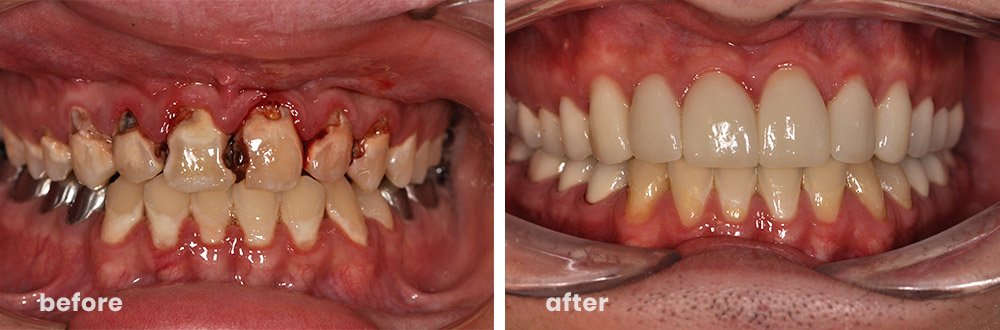
Bleeding or sensitive gums often indicate early gum inflammation or enamel erosion. Fortunately, small adjustments can make a big difference.
Helpful tips:
- Use a soft-bristled toothbrush and brush gently in small circles.
- Floss carefully each day to remove plaque between teeth.
- Limit acidic or spicy foods that can irritate your gums.
- Try desensitizing toothpaste if your teeth feel tender.
Mild bleeding can improve with consistent brushing and flossing, but if it persists, see your dentist. Ongoing bleeding could indicate early-stage gum disease that needs professional attention.
Brushing, Flossing, and Helpful Tools
Good oral care is more about technique than fancy equipment.
- Brushing: Twice a day with fluoride toothpaste using gentle, circular motions at a 45° angle.
- Flossing: Once daily, gliding along the curve of each tooth — never snapping the floss.
- Electric vs. Manual Brushes: Both work well when used properly. Choose whichever helps you stay consistent.
- Mouthwash: Alcohol-free options can help reduce bacteria and freshen breath.
Electric toothbrushes can make brushing easier — especially for hard-to-reach areas — but a manual brush works just as well if you use proper technique.
Diet, Smoking, and Lifestyle Habits
Your diet and lifestyle have a bigger impact on your oral health than you might think. Sugary drinks, acidic foods, and frequent snacking can erode enamel, while balanced meals rich in fruits, vegetables, dairy, and protein help strengthen your teeth.
Absolutely! High-sugar and acidic foods increase your risk of cavities and sensitivity, while calcium-rich foods and vitamins help fortify enamel and support gum health.
Smoking harms gum tissue, causes bad breath, and increases the risk of oral cancer. Quitting (or cutting back) can significantly improve your oral and overall health.
Even small lifestyle changes—like drinking more water or swapping out sugary snacks—can make a meaningful difference.
The Importance of Regular Dental Checkups
Scheduling routine dental visits isn’t just a good habit — it’s an essential part of maintaining your oral health.
Seeing your dentist every six months allows them to:
- Detect and treat issues early
- Provide professional cleanings that remove stubborn buildup
- Offer tailored advice for your unique smile
For most people, every six months is ideal. However, your dentist may recommend more frequent visits if you’re prone to gum disease, plaque buildup, or sensitivity.
Children’s Oral Health: Start Early
Healthy habits begin young! Encourage your child to:
- Brush twice a day with supervision
- Learn proper flossing technique early
- Visit the dentist regularly for checkups and fluoride treatments
Establishing these habits early sets the foundation for lifelong oral health.
Oral Health and Overall Wellness: A Vital Connection
Good oral hygiene doesn’t just protect your smile—it benefits your entire body. Poor oral care has been linked to heart disease, diabetes complications, and inflammation throughout the body.
Your best defense is simple:
- Brush and floss consistently
- Stay hydrated
- Eat balanced meals
- Avoid tobacco
- Visit your dentist regularly
If you’re dealing with bad breath, bleeding gums, or sensitivity, don’t ignore the signs. These issues are manageable—and your Knoxville dentist can help you treat them effectively.
By following these tips and staying consistent with your dental visits, you can maintain a healthy, confident smile every day.
Share this Article
Back to Oral Care Page