
Are You Worried About TMJ Pain With Invisalign?
June 12, 2025Invisalign has become popular for straightening teeth, especially among adults who prefer a more discreet approach. But if you’re dealing with TMJ pain or have a history of jaw discomfort, shifting your bite with aligners may raise some questions.
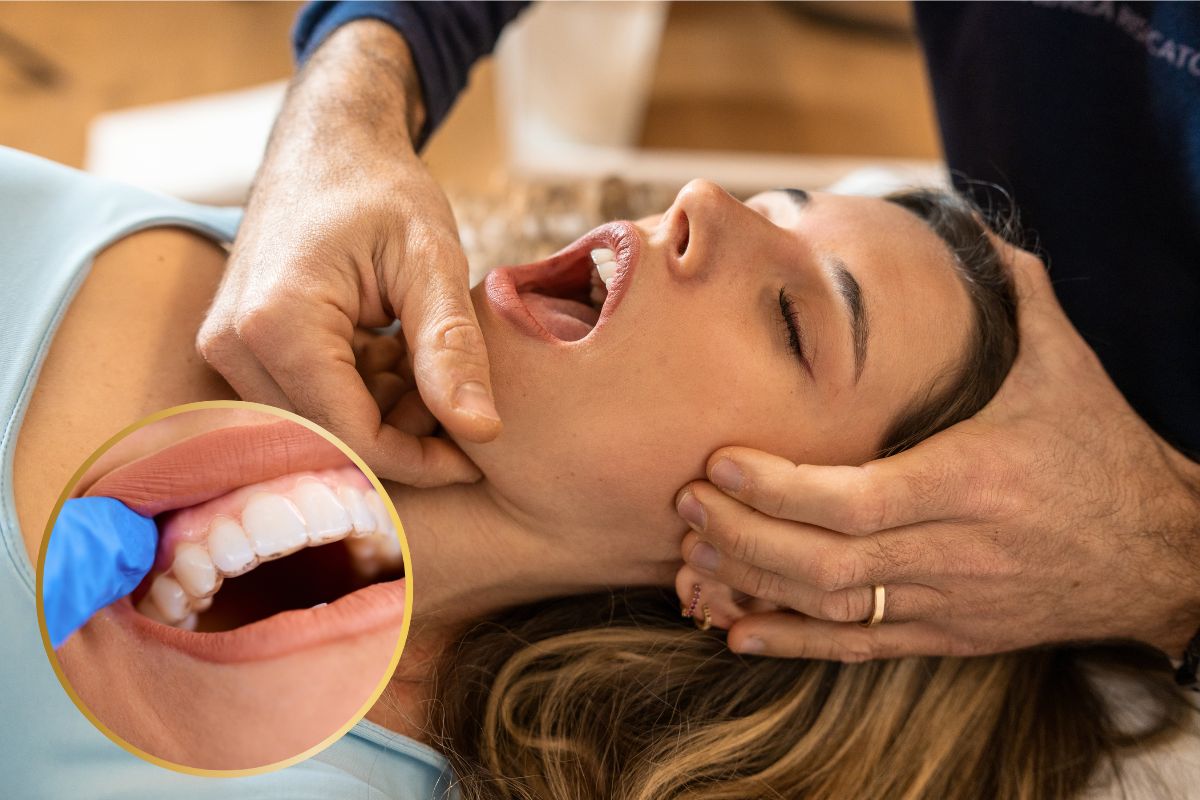
At Knoxville Smiles at Malone & Costa Dentistry, we often hear this concern: “Can Invisalign make my TMJ worse?” It’s a valid worry—and one we take seriously. Our team carefully evaluates every patient’s jaw joint health before recommending Invisalign.
Can Invisalign Lead to TMJ Pain?
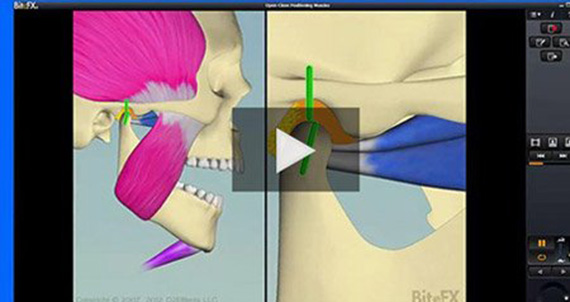
Sometimes, Invisalign may temporarily trigger TMJ symptoms, especially if your jaw is already sensitive. That’s because Invisalign works by gently shifting your teeth and, in turn, your bite. This can place mild stress on the temporomandibular joint, especially early in treatment.
- But here’s the key: Invisalign doesn’t cause TMJ disorder in people who don’t already have joint dysfunction. For many, improving alignment may reduce symptoms over time.
Can Invisalign cause TMJ disorder if I never had symptoms before?
No, Invisalign does not cause TMJ disorder in healthy individuals. However, some mild jaw soreness during the adjustment period is normal. If symptoms persist, contact your provider for an evaluation.
TMJ Symptoms and Invisalign: Sorting Fact from Fiction at Knoxville Smiles at Malone & Costa Dentistry
Let’s break it down. TMJ disorder often causes:
- Clicking or popping in the jaw
- Pain while chewing or yawning
- Stiffness in the face or jaw
- Headaches or earaches
We’ve seen cases where patients report more clicking after beginning Invisalign and where those symptoms gradually faded. That’s why personalized care matters.
As a trusted dentist in Knoxville, TN, we assess these symptoms and create a plan that’s as much about comfort as it is about straightening teeth.
Is Your Jaw Clicking After Starting Invisalign?
If your jaw started clicking or popping after beginning Invisalign, it might be part of the adjustment process. However, ongoing or worsening clicking can signal that the bite is shifting too quickly or unevenly.
We recommend coming in for a check-up. Our team will evaluate your aligner fit, monitor jaw motion, and determine whether an adjustment to your Invisalign treatment is needed.
How long does TMJ discomfort typically last after starting Invisalign?
Mild discomfort may occur during the first few weeks of each aligner set. For most, it fades within a few days. Persistent pain, however, should be assessed by your dentist.
Does Invisalign Correct Bite Alignment Issues That Can Cause TMJ Pain?
If bite misalignment is a core part of your TMJ issue, it can. Invisalign is often used to correct:
- Overbites
- Underbites
- Crossbites
- Open bites
Correcting these can ease jaw strain and promote better joint function over time. TMJ treatment and Invisalign work together for the right patient to improve aesthetics and comfort.
Understanding How Invisalign Shifts Your Bite and Its Potential Impact on Your Jaw Joint
Each Invisalign tray applies controlled pressure to specific teeth, gradually guiding them into place. As the bite shifts, your jaw joint adjusts. That movement can sometimes trigger soreness for people with a sensitive or inflamed TMJ.
Our goal at Knoxville Smiles is to make those transitions as smooth as possible. That’s why we monitor your bite closely, especially during the first few months.
Managing TMJ Discomfort During Your Invisalign Treatment
If you start feeling more jaw tension while wearing aligners, don’t panic. It’s not uncommon—and often manageable. We recommend the following to ease discomfort:
- Apply warm compresses to your jaw
- Stick to soft foods for a few days during tray changes
- Perform jaw-stretching exercises (see below)
- Stay consistent with aligner wear time to avoid bite instability
Gentle Jaw Exercises to Alleviate TMJ Pain During Invisalign
Incorporating simple exercises into your day can help relieve joint stress. Try these:
- Chin tucks: Pull your chin back to align your head over your shoulders. Hold for 5 seconds.
- Resisted mouth opening: Place your thumb under your chin and slowly open your mouth while resisting with your hand.
- Side-to-side movements: Slowly move your jaw from left to right in a controlled motion.
Always stop if pain increases, and check in with our dental team.
TMJ Pain Worsened After Starting Invisalign. What Should I Do?
If your jaw pain has gotten worse after starting aligners, call us. You might need a temporary pause or a modified treatment plan. Sometimes, a different sequence of aligners or custom trays that reduce pressure in certain areas can help.
Knoxville Smiles at Malone & Costa Dentistry prioritizes your comfort. Our team can quickly identify the cause of your pain and take action.
Can a Night Guard Help with TMJ Pain While Undergoing Invisalign Treatment?
Yes, in some cases. A night guard or custom splint can protect your jaw from nighttime clenching, especially if you’re prone to grinding your teeth—a common TMJ trigger. However, you can’t wear a standard night guard and Invisalign trays simultaneously. We’ll evaluate whether a temporary night guard or modified aligner tray could offer relief during your treatment.
Can I wear a night guard and Invisalign simultaneously?
No. Invisalign trays must be worn throughout the night for effective treatment, so traditional night guards are incompatible. Talk to your dentist about custom options.
Considering Invisalign in Knoxville? What to Discuss with Your Dentist About TMJ Concerns
Before starting Invisalign, be honest with your dentist about any past or current jaw pain, clicking, or tightness. This helps us create a treatment plan that respects your TMJ condition.
During your consultation, we’ll talk about:
- Your current bite and alignment
- Any history of grinding or clenching
- Whether you experience facial tension or soreness
- Jaw mobility and range of motion
These conversations allow us to guide you toward a straighter smile without increasing discomfort.
Achieving a Straighter Smile Without Jaw Pain: The Knoxville Smiles at Malone & Costa Dentistry Difference with Invisalign
You shouldn’t have to choose between a better smile and a comfortable jaw. At Knoxville Smiles, our team offers TMJ and Invisalign expertise. We consider your unique needs and monitor your progress to ensure your jaw stays healthy.
As a trusted Knoxville Dentist, we care about more than straight teeth—we care about your long-term comfort and confidence.
Call (865) 539-1776 to schedule your personalized consultation today and discover if Invisalign is the right step toward a healthier, pain-free smile.
Share this Article
Back to Invisalign Page