
Saving Your Tooth from Deep Cavity Infection
July 10, 2025That slight twinge when sipping a cold or sweet drink could be a warning sign of a cavity in the making. Ignoring these early symptoms could lead to a rapid escalation of a deep cavity, resulting in pain, swelling, and even tooth loss. At Knoxville Smiles, we’re here to intercept this damage and save your tooth using advanced care and a personalized approach.

How Early Cavity Detection Prevents Small Problems from Becoming Big Ones
Early detection of cavities is key to their successful treatment and often reversibility. With our in-office diagnostics and digital imaging, we can identify minor problems before they become significant. This is why your six-month checkups are so crucial. When decay is spotted early, a fluoride application or a small filling may be needed. Fluoride, a superhero mineral, can prevent tooth decay and even reverse early signs of decay by strengthening the enamel, making it more resistant to acid attacks from plaque bacteria and sugars in the mouth.
According to the CDC, 1 in 4 adults aged 20 to 64 has at least one untreated cavity. Deep cavities are severe and need professional treatment. If decay reaches your tooth’s pulp, a root canal may be the best—and only—way to save your tooth. That’s where Fluoride Treatment and Root Canal Therapy in Knoxville come into play.
Protecting Your Natural Tooth from Deep Decay
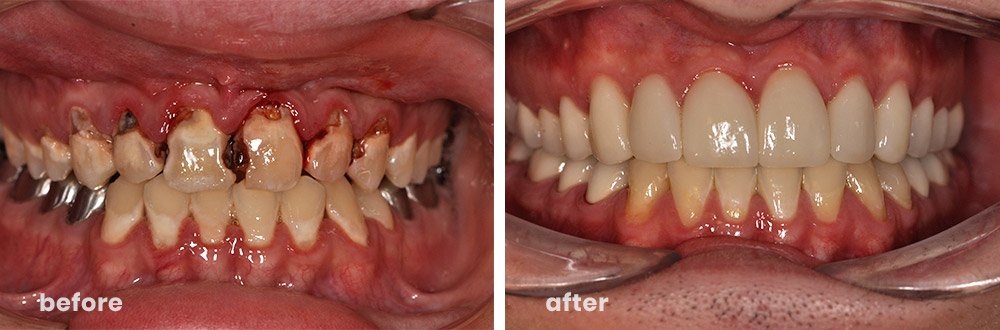
Deep cavities don’t heal on their own. Once the decay breaches the enamel and dentin layers, it puts your tooth at risk of infection, abscess, and bone damage. The goal of treatment is always to preserve your natural tooth structure for as long as possible.
If the cavity reaches the pulp, root canal therapy is often the most effective way to remove infection and save the tooth. Smaller cavities may only require fillings or fluoride.
Treating decay early and selecting the appropriate solution for the cavity’s depth helps prevent further deterioration, pain, or tooth extraction.
What Is the Best Treatment for Cavities?
A: If a cavity has reached the tooth’s pulp, the best treatment is often root canal therapy. This allows us to clean out the infection and preserve your natural tooth. A filling or fluoride treatment may be sufficient if the cavity is smaller.
The type of treatment always depends on the extent of decay. We evaluate each case individually to determine the most effective and conservative approach, ensuring you receive personalized care that meets your unique needs.
A Guide to Different Types and Their Treatment
- Initial demineralization: Often reversible with fluoride and proper care
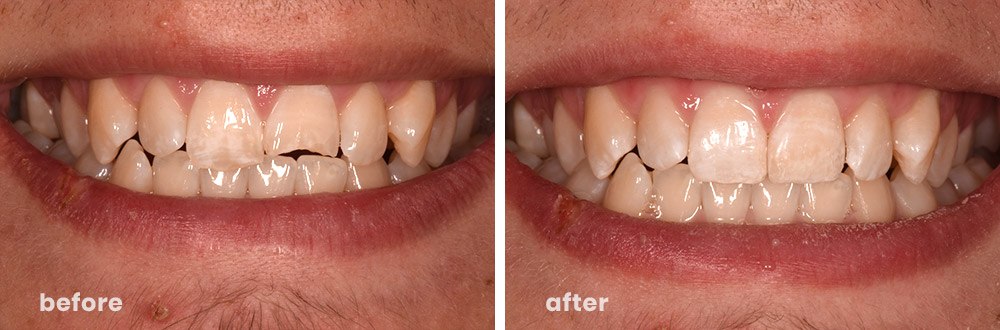
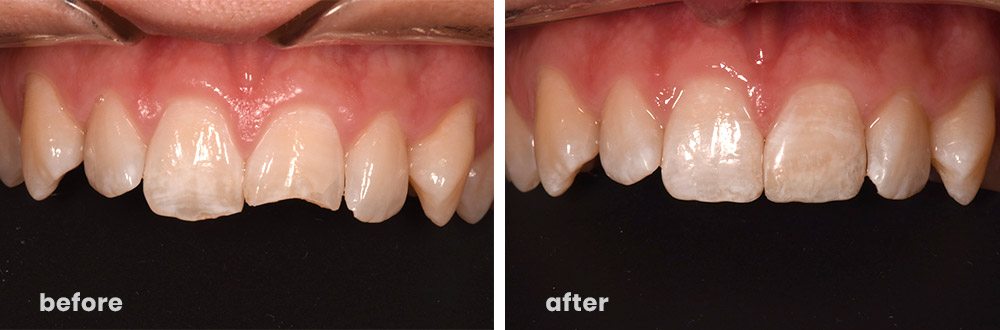
- Enamel decay: Treated with a small filling
- Dentin decay: May require a larger filling or crown
- Pulp involvement: Requires root canal therapy
- Abscessed tooth: May need a root canal or extraction
Not necessarily. Small, early-stage cavities can sometimes be reversed with fluoride treatments and improved oral hygiene. However, once decay has created a hole, a filling is the standard treatment.
When to Consider a Dental Crown for Your Cavity
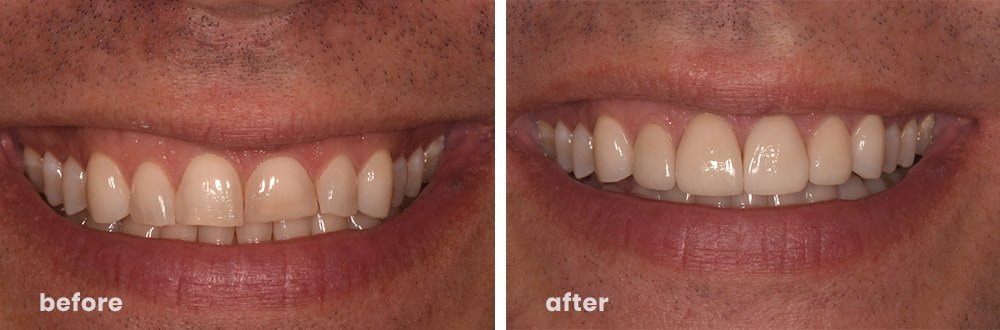
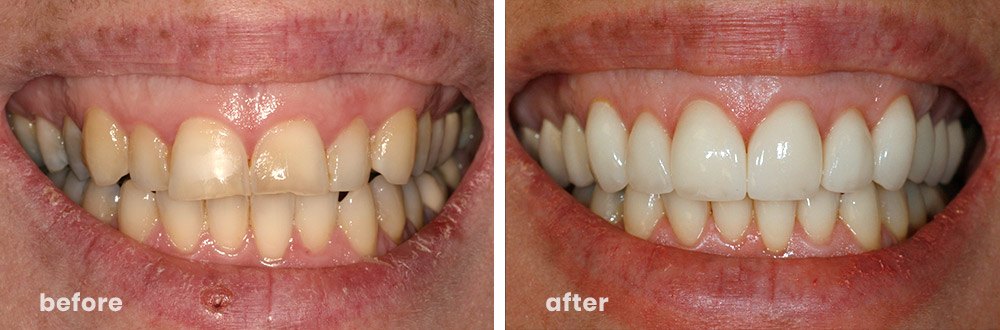
If the tooth is too weak to support a filling—or has undergone a root canal—we may recommend a crown. Crowns protect the remaining structure and restore full function. We use custom-made crowns designed to match the appearance and texture of your natural teeth.
Root Canal Demystified: Saving Your Tooth from Deep Cavity Infection
Modern root canals are virtually pain-free. Most patients report that the procedure feels similar to getting a filling. Plus, it relieves the pain caused by the infection almost immediately, providing much-needed comfort and relief.
At Knoxville Smiles, we use the latest techniques and technology to ensure comfort throughout the process.
Sensitivity after a filling is familiar, especially with deeper cavities. Your tooth is adjusting, and mild discomfort is usually temporary. If the sensitivity persists for more than two weeks or feels sharp, please contact us for an adjustment.
Extraction is only recommended when a tooth is beyond saving—such as when it’s fractured below the gum line or the infection has spread extensively. We always aim to preserve your natural tooth whenever possible because we value your natural smile.
The Link Between Diet and Cavities
What you eat has a direct impact on your oral health. Sugary and acidic foods feed cavity-causing bacteria. Sticky snacks, such as dried fruits or sour candies, are especially harmful if they cling to your teeth. To protect your enamel:
- Drink plenty of water
- Cut back on sugar
- Rinse or brush after meals
- Use a straw with acidic drinks
What Are The Treatment Options Available for Cavities?
From early intervention with fluoride to advanced solutions like crowns and root canals, we offer comprehensive treatments tailored to your needs. You’ll always know your options before we begin, and we’ll walk you through every step.
Essential Tips from Knoxville Smiles for Preventing Future Cavities
Brush twice with fluoride toothpaste, floss daily, eat a balanced diet, and see your dentist every six months. Prevention starts with consistency.
Here are our top tips:
- Use fluoride-based products
- Don’t skip flossing (seriously!)
- Avoid grazing or frequent snacking
- Limit sodas and sports drinks
- Schedule regular dental cleanings
We make prevention easy with gentle care, helpful education, and dental technology, making your visit more effective and efficient.
Your Smile Deserves the Best Care
Whether you’re dealing with a small spot of decay or a full-blown infection, it’s never too late to get help. At Knoxville Smiles, we specialize in restoring smiles and stopping decay. If you’re looking for a compassionate and experienced Dentist in Knoxville, TN, or a reliable Dentist Near 37923, we’re here to guide you every step.
We’ll help you understand your options and make informed choices—without pressure. Your comfort and your smile are our top priorities.
Knoxville Dentists like us are committed to patient-focused care built on trust, innovation, and personalized results.
Share this Article
Back to Cavity Protection Page