
Preventing Gum Disease: How Your General Dentist Protects Your Smile
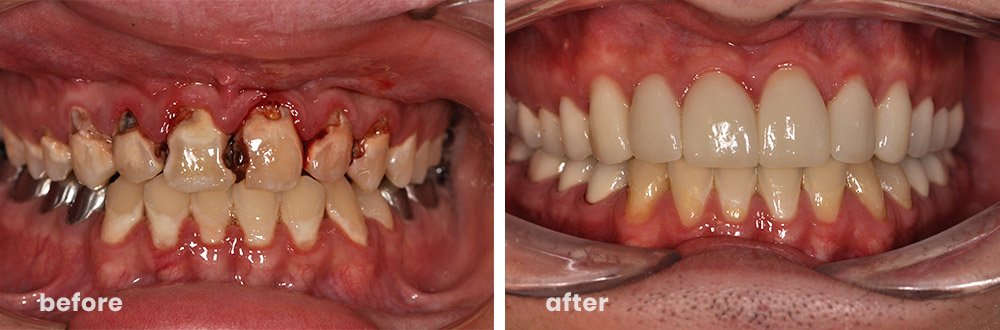
December 19, 2025Healthy gums are the foundation of a strong, beautiful smile. Yet gum disease is one of the most common oral health issues, often developing quietly until it becomes serious. Gingivitis, the earliest stage, can cause redness, swelling, or bleeding, while advanced periodontitis can threaten your teeth and overall health. Protecting your gums starts with understanding the role your general dentist plays in prevention and care.
How Does Your Dentist Detect Problems Early?
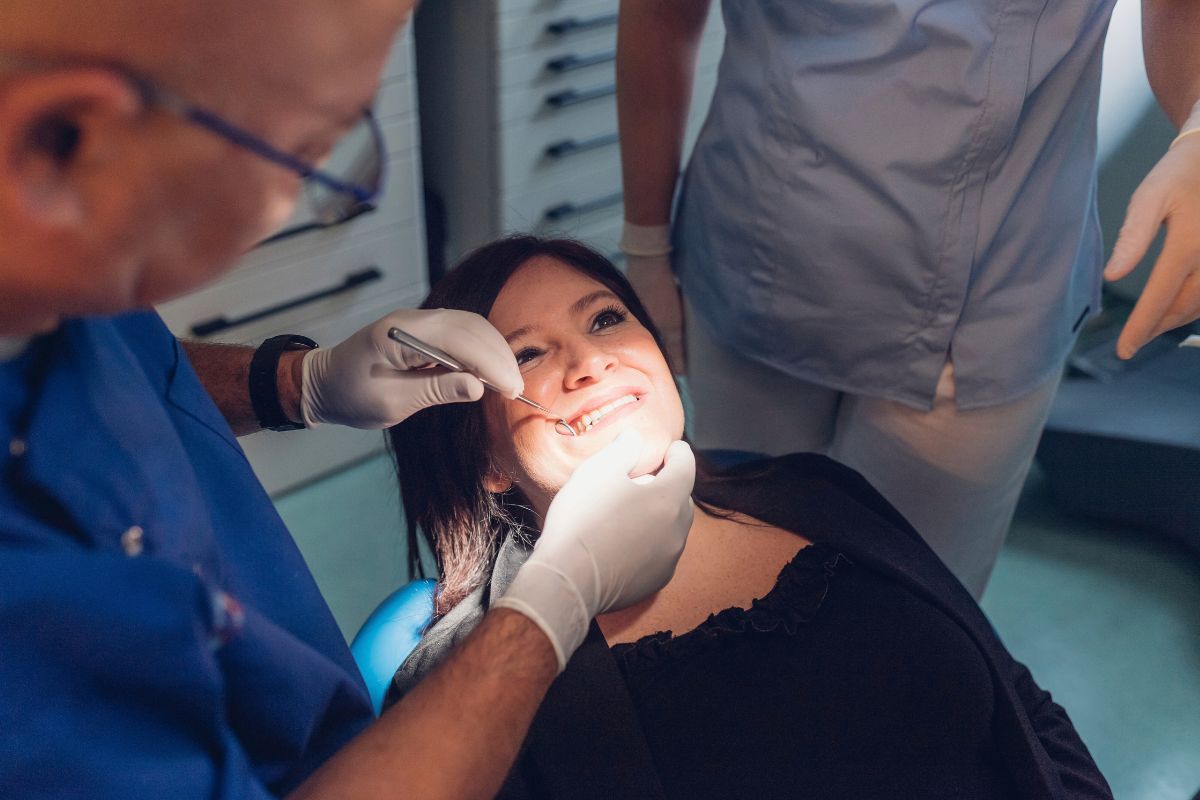
Your general dentist does more than check for cavities. During routine visits, they carefully examine your gums for inflammation, pocket formation, and early bone loss. Identifying these signs early allows for simple interventions before the condition worsens. Early detection is key because periodontal disease can progress silently without apparent symptoms, underscoring the importance of professional care.
The Importance of a Dental Checkup
A thorough dental checkup is a cornerstone of gum disease prevention. Beyond standard cleaning, your dentist removes hardened plaque, called tartar, that brushing alone cannot remove. Tartar buildup irritates your gums and fosters bacterial growth. During these visits, your dentist may also teach advanced brushing and flossing techniques and offer guidance on lifestyle habits that impact gum health, such as smoking or diet.
Daily Habits That Support Healthy Gums
Maintaining gum health at home is just as important as professional care. Simple daily routines can significantly reduce your risk of periodontal infection:
- Brush your teeth twice a day with fluoride toothpaste, ensuring you reach the gumline.
- Floss gently once a day to remove plaque and food particles between teeth.
- Use an antimicrobial mouthwash to lower harmful bacteria in your mouth.
- Eat a balanced diet rich in vitamins C and D, calcium, and other nutrients that strengthen gums.
- Avoid smoking or using tobacco products, which increase the risk of periodontitis.
A general dentist can help you tailor these habits to your individual oral health needs, ensuring you get the best results from your daily routine.
Extra Preventive Measures for High-Risk Patients
Some patients may need more than standard care. Those at higher risk of periodontal infection might benefit from more frequent professional cleanings, antimicrobial treatments, or targeted exams to closely monitor changes. Intervening early is critical because advanced gum disease requires more intensive treatment. Partnering with your dentist ensures your smile stays healthy over the long term.
Silent Signs And Why Regular Visits Matter?
Gum disease often develops quietly, and many signs only appear in advanced stages. Regular dental visits help catch subtle changes early, preventing damage that may not be noticeable at home. Establishing a strong relationship with your dentist provides tailored advice and reassurance, helping you maintain a healthy, confident smile.
Protect Your Smile With Expert Dental Care
Keeping your gums healthy is an ongoing process, and having the proper dental support makes all the difference. Visit our dental office in Knoxville, TN, to protect your smile and preserve your natural teeth. Our team focuses on proactive care, ensuring your gums stay strong and your smile radiant for years to come. Don’t wait for symptoms to appear. Start protecting your oral health today.
Frequently Asked Questions About Gum Disease Prevention
Q: How often should I visit my dentist to prevent gum disease?
A: Most people benefit from a dental checkup every six months, but your dentist may suggest more frequent visits depending on your oral health and risk factors.
Q: Can gum disease be reversed?
A: Early periodontal infection, or gingivitis, can often be reversed with professional cleaning and improved oral hygiene. Advanced conditions require more intensive treatment to manage.
Q: What signs of gum disease should I watch for at home?
A: Look for red, swollen, or bleeding gums, persistent bad breath, gum recession, or changes in how your teeth fit together. Early detection is crucial.
Q: Do lifestyle habits affect gum health?
A: Yes. Smoking, poor diet, stress, and certain medications can increase your risk. Your dentist can guide you on how to minimize these risks.
Share this Article
Back to Dentistry Page