
Jaw Pain: A Sign of TMJ Disorder?
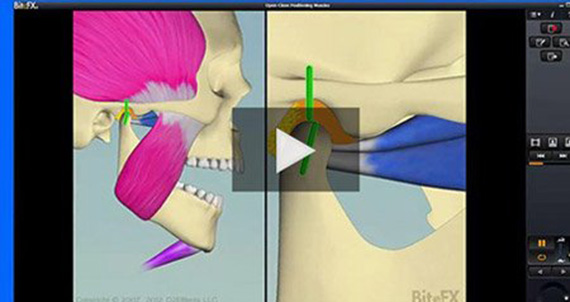
December 5, 2024TMJ disorder involves the hinge connecting your jaw to your skull. This complex joint allows such movements as chewing, speaking, and yawning. When this becomes inflamed or misplaced, TMJ disorder can bring on pain or restricted movement in one’s daily life.
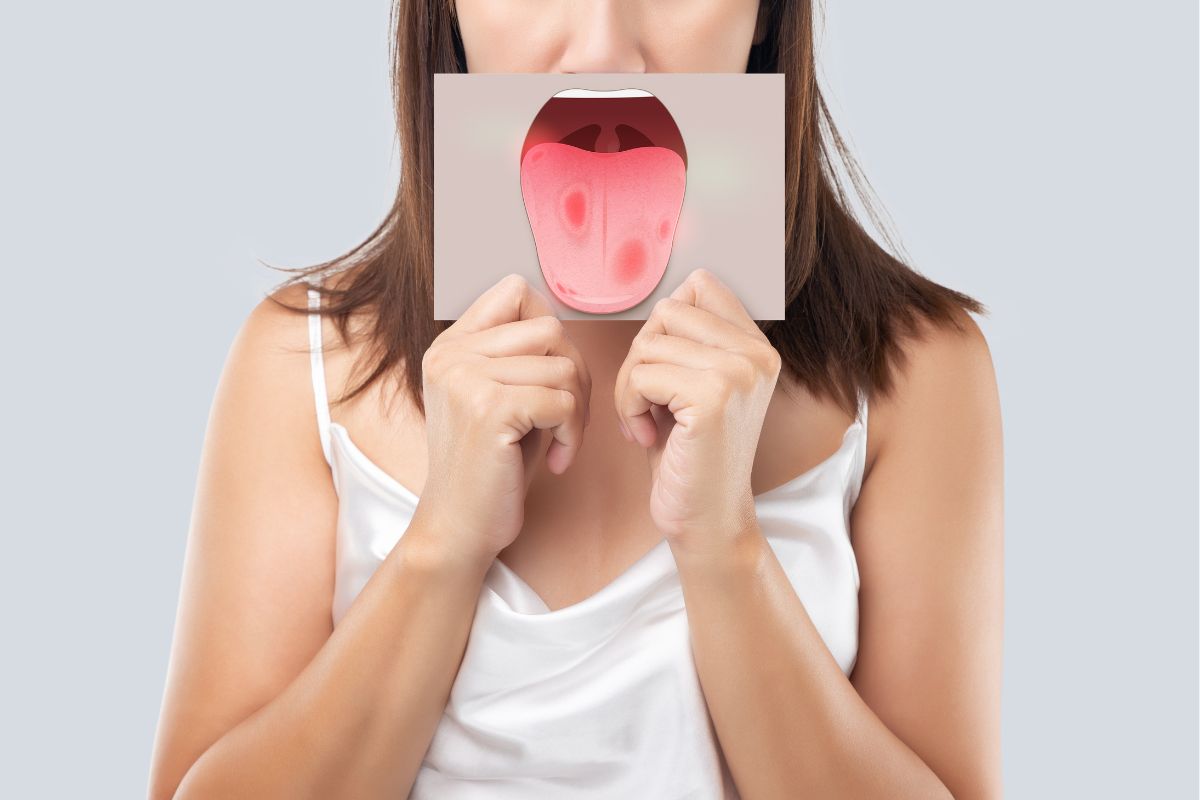
Common symptoms include jaw pain, headaches, clicking noises, and the inability to open or close the mouth. These symptoms may start small but can worsen in time. Therefore, seeing a Knoxville TMJ disorder professional early on allows for proactive and quick treatment of these issues.
What Causes Jaw Pain and Clicking?
Many factors cause jaw pain and clicking, such as:
- Injury: A blow to the jaw or face can damage the TMJ.
- Degenerative joint disease: This condition affects the joint in the TMJ, causing pain and stiffness.
- Bruxism: Teeth grinding or clenching, mainly at night, stresses the TMJ excessively.
- Poor bite: Malocclusion with improperly aligned teeth.
- Stress and anxiety: Tension causes uncontrollable clenching and grinding of the teeth.
If you’re experiencing jaw discomfort, understanding the underlying cause is vital. A professional evaluation helps determine the best treatment for TMJ disorder in Knoxville.
How Do I Know If I Have TMJ Disorder?
If you are experiencing the following signs and symptoms, then you could have TMJ disorder.
- Jaw pain: The pain can range from being mildly uncomfortable to severe.
- Jaw clicking or popping: You hear the clicking or popping when you open or close your mouth.
- Limited jaw movement: Unable to open or partially close your mouth.
- Facial pain: Pain within the face, neck, or shoulders.
- Headaches: Headaches frequently, especially tension headaches.
- Earaches: Pain in the ears, even with no ear infection.
What are the Early Symptoms of TMJ Dysfunction?
The early symptoms of TMJ dysfunction may be so subtle that they may not even notice. Some of the most common early symptoms include:
- Mild jaw pain: Mild jaw pain might happen after eating hard foods or chewing gum.
- Occasional jaw clicking or popping: Periodic jaw clicking or popping may sometimes occur when you open and close your mouth.
- Very minor tenderness upon pressure: You might experience muscle tenderness on either side of your jaw.
- Chewing difficulties with certain foods: You may experience chewing difficulties with tough or chewy foods.
Why Is My Jaw Sore and Stiff?
TMJ disorder frequently manifests with jaw soreness or stiffness. The symptoms are often caused by inflammation in the TMJ joint or the surrounding muscles.
The Importance of Early Intervention
Ignoring TMJ symptoms can lead to worsening pain and potential complications, including permanent damage to the jaw joint. Early intervention not only reduces discomfort but also prevents these serious outcomes. Whether your symptoms are mild or severe, seeking expert care from professionals who are dedicated to your well-being ensures effective treatment.
Knoxville Dentists are dedicated to helping patients manage TMJ disorders and regain comfort. If you’re struggling with jaw pain, it’s important to remember that professional help is available to help you explore your options.
Don’t Suffer in Silence
If you’re experiencing jaw pain or other TMJ disorder symptoms, seeing a dentist for a proper diagnosis and treatment plan is essential. Early intervention can help prevent the condition from worsening. TMJ Treatment in Knoxville is available from qualified dentists who can provide practical solutions to alleviate your symptoms.
Share this Article
Back to TMJ Disorder Page