
How Advanced Technology Has Improved Dental Treatments
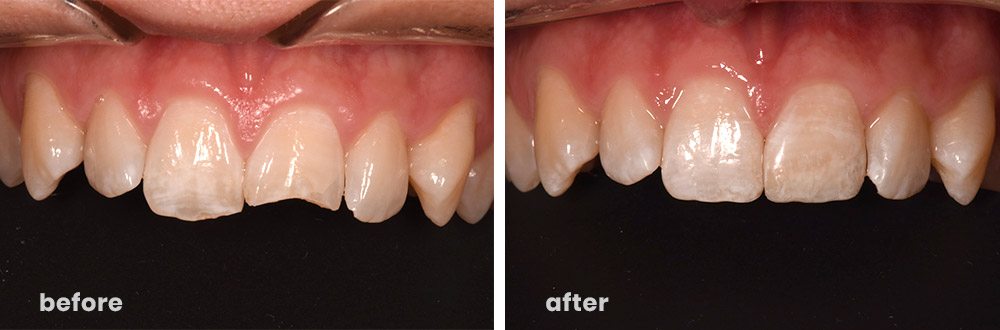
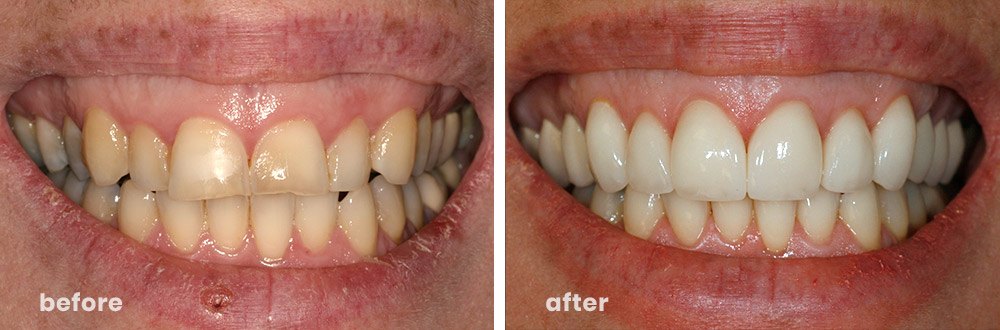
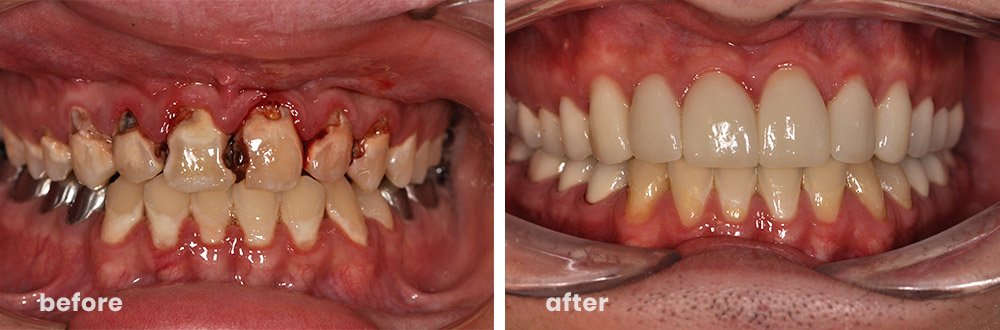
July 22, 2024Dental care has come a long way over the past few decades. What once required multiple appointments, discomfort, and long recovery times can now be handled more efficiently, safely, and comfortably. Advancements in dental technology are not just about high-tech gadgets—they are transforming how dental care professionals deliver care and how patients experience it. From diagnostics to treatment, technology is making dental visits faster, more precise, and less stressful.
Precision Diagnostics: Seeing More Than Ever
Modern dental technology allows professionals to detect issues earlier and more accurately.
Digital Imaging and 3D Scans
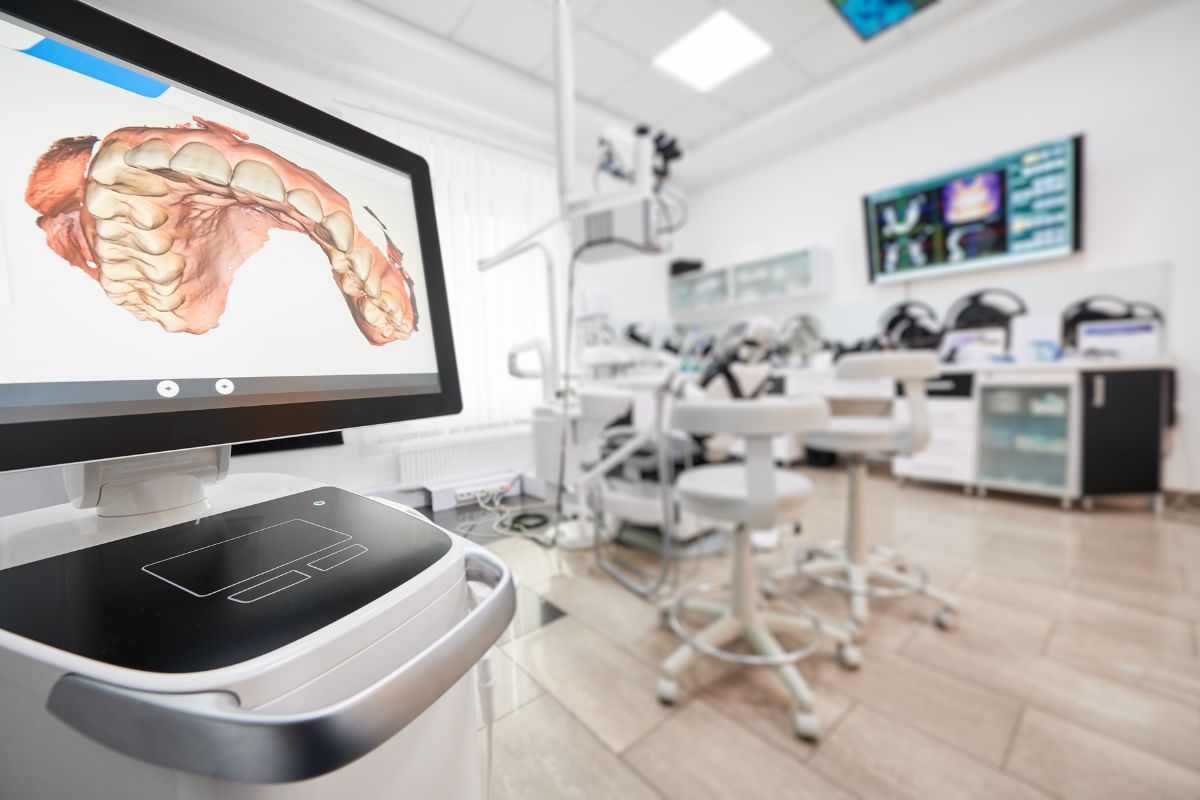
Digital X-rays and 3D imaging give dentists a detailed view of teeth, bones, and soft tissues. Unlike traditional X-rays, these tools expose patients to less radiation while producing sharper, more detailed images. This precision helps identify cavities, bone loss, and even subtle alignment issues that might be missed otherwise.
Early Detection Benefits
- Prevents major problems: Detecting decay or gum disease early reduces the need for extensive procedures later.
- Customized treatment planning: Detailed imaging allows your oral care professional to tailor treatments to your exact needs.
- Improved patient understanding: Visual tools help patients see what’s happening inside their mouths, making it easier to discuss options and expected outcomes.
Enhanced Treatment Options: Comfort Meets Efficiency
Technology isn’t just about spotting problems; it also improves how treatments are performed.
Minimally Invasive Procedures
With tools like intraoral cameras, dentists can work with greater precision, reducing the need for large fillings or invasive work. This leads to faster healing, less discomfort, and better overall results.
Computer-Assisted Procedures
Some treatments now use computer-guided systems to ensure accuracy in procedures like implants or root canal therapy. This technology minimizes errors and allows dentists to plan the entire process digitally before ever touching your teeth.
Patient Experience: Making Visits Easier
Advanced technology also makes the dental experience more comfortable and predictable.
- Faster appointments: Digital impressions replace messy molds, cutting appointment times significantly.
- Pain management improvements: Modern anesthetics and monitoring tools help ensure procedures are as comfortable as possible.
- Better communication: High-definition cameras and screens let patients understand their treatment plans clearly.
- Reduced anxiety: Knowing procedures are precise and efficient helps ease nervous patients, especially those with dental fears.
Why This Matters for Your Smile
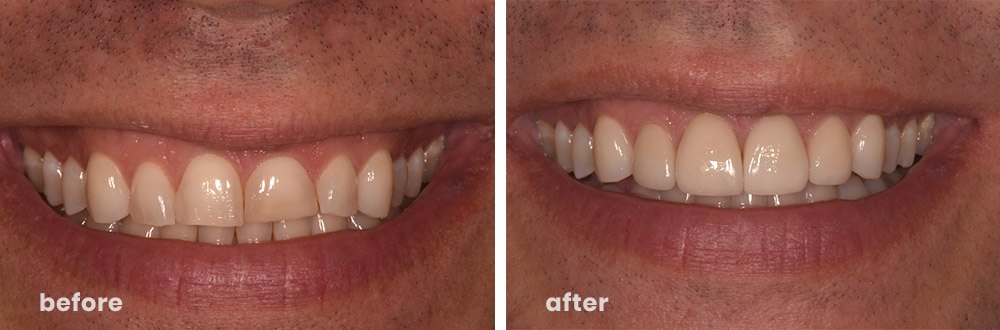
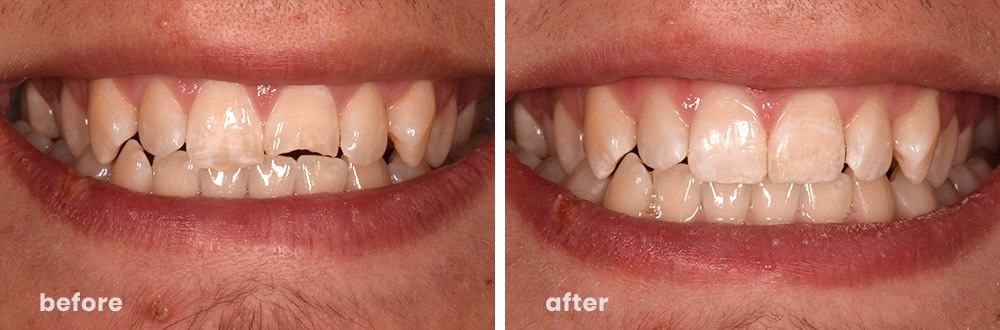
Investing in advanced dental technology isn’t just about staying modern—it directly benefits patients. Treatments are safer, recovery times are shorter, and outcomes are more predictable. Dentists can focus on preventative care as well as cosmetic improvements, ensuring your smile stays healthy and beautiful for years to come. Technology has made routine care, like cleanings and check-ups, more insightful, allowing oral health specialists to spot subtle changes and intervene before issues become serious.
Your Next Steps for a Modern Dental Experience
Ready to experience the difference that advanced technology can make for your dental health? Visit our dental clinic in Knoxville and see how comfortable, precise, and personalized dental care has become. At Knoxville Smiles at Malone & Costa Dentistry, we combine modern tools with a patient-centered approach to ensure every visit leaves you confident in your smile. Schedule an appointment today and step into a new era of dental care.
FAQs:
Q: Does modern technology make dental procedures less painful?
Yes! With precision tools and minimally invasive techniques, most treatments are much more comfortable than in the past.
Q: Are digital X-rays safe?
Absolutely. Digital X-rays use significantly less radiation than traditional X-rays while providing sharper images.
Q: How does technology improve treatment outcomes?
Computer-assisted planning, 3D imaging, and precision instruments help dentists perform procedures accurately, reducing complications and improving results.
Q: Can technology help prevent dental issues?
Yes. Advanced diagnostics catch problems early, enabling preventive care and avoiding extensive procedures later.
Share this Article
Back to Dental Technology Page