
Why Acting Quickly in Dental Emergencies Can Save Your Smile
May 27, 2026A dental emergency rarely gives you a warning. One moment, everything feels fine, and the next, you are dealing with pain, bleeding, or a damaged tooth. What you do in those first minutes and hours can make a real difference. Acting quickly is not just about comfort. It can protect your natural teeth, prevent complications, and reduce the need for more complex treatment later.

When something unexpected happens, seeking immediate dental care can often be the difference between saving and losing a tooth. Many people wait, hoping the issue will settle on its own, but delays can allow infections to spread or damage to worsen.
What Happens When You Delay Treatment
Waiting too long can turn a manageable issue into something far more serious. Dental problems tend to progress quickly because the mouth is constantly exposed to bacteria.
Infection Can Spread Fast
An untreated infection does not stay contained. It can move into surrounding tissues, causing swelling, increased pain, and in some cases, systemic health concerns.
Damage Becomes Harder to Repair
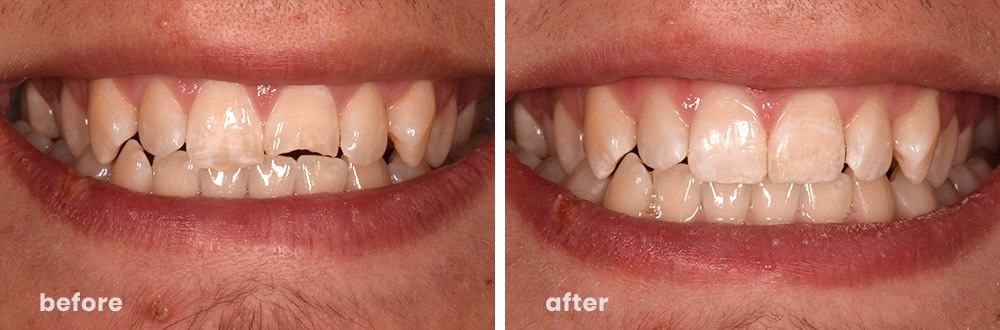
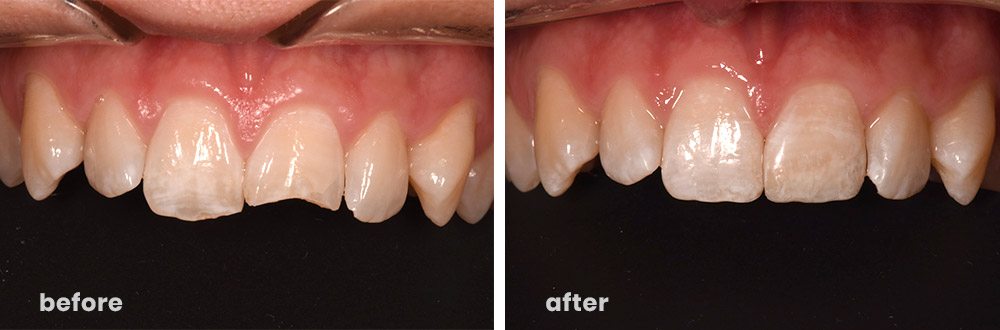
A small crack or chip might be easy to fix early on. If ignored, it can deepen and affect the inner structure of the tooth, making restoration more complicated.
Pain Often Intensifies
What starts as mild discomfort can quickly escalate. Acting early helps control pain before it becomes disruptive to your daily life.
Common Situations That Need Quick Attention
Not every dental issue feels urgent, but some situations should never be ignored. If you experience any of the following, it is best to act right away:
- Knocked-out tooth
Time is critical. In some cases, a tooth can be placed back successfully if treated quickly. - Severe toothache
Persistent pain often signals infection or nerve involvement. - Cracked or broken tooth
Even if it does not hurt immediately, the inner layers may be exposed. - Swelling in the gums or face
This can indicate an infection that needs prompt care. - Uncontrolled bleeding
Bleeding that does not stop after a short time needs attention.
What You Can Do Before You Reach the Dentist
Knowing how to respond in the moment can help protect your smile while you arrange care.
Handle a Knocked-Out Tooth Carefully
Pick it up by the crown, not the root. Rinse gently if dirty and try to place it back in the socket if possible.
Rinse and Reduce Bacteria
Use warm salt water to clean the area and help reduce bacteria while you wait for treatment.
Control Swelling and Pain
Apply a cold compress to the outside of your cheek to manage swelling. Over-the-counter pain relief can help, but avoid placing medication directly on the gums.
Protect the Area
If a tooth is broken, avoid chewing on that side and keep the area clean to prevent further irritation.
Why Quick Action Protects Your Long-Term Oral Health
A fast response does more than solve the immediate problem. It helps preserve your natural teeth and keeps your overall oral health on track. Early care can prevent the need for extensive procedures, reduce healing time, and improve outcomes.
Patients in Knoxville often find that timely treatment not only saves their smile but also lowers the risk of recurring issues. When you act early, you give your dentist more options to restore your tooth effectively.
Get Help When It Matters Most
Dental emergencies can feel overwhelming, but you do not have to handle them alone. At Knoxville Smiles at Malone & Costa Dentistry, the team understands how urgent these situations can be.
- Prompt evaluation and care when you need it most
- Focus on preserving your natural smile
- Supportive guidance every step of the way
Do not wait and hope the problem goes away. Take action and protect your smile today. Visit our dental office in Knoxville or contact Knoxville Smiles at Malone & Costa Dentistry to get the care you need without delay.
FAQs :
How fast should I see a dentist after a dental injury?
As soon as possible. The sooner you get care, the better the chances of saving your tooth.
Can a knocked-out tooth really be saved?
Yes, in many cases, it can be reinserted successfully if treated quickly.
Is a toothache always an emergency?
Not always, but severe or persistent pain should never be ignored.
What if the pain goes away on its own?
The underlying issue may still exist. It is best to get it checked.
Share this Article
Back to Emergency Dentistry Page