
Jaw Clicking: When Is It Normal and When Should You Be Concerned?
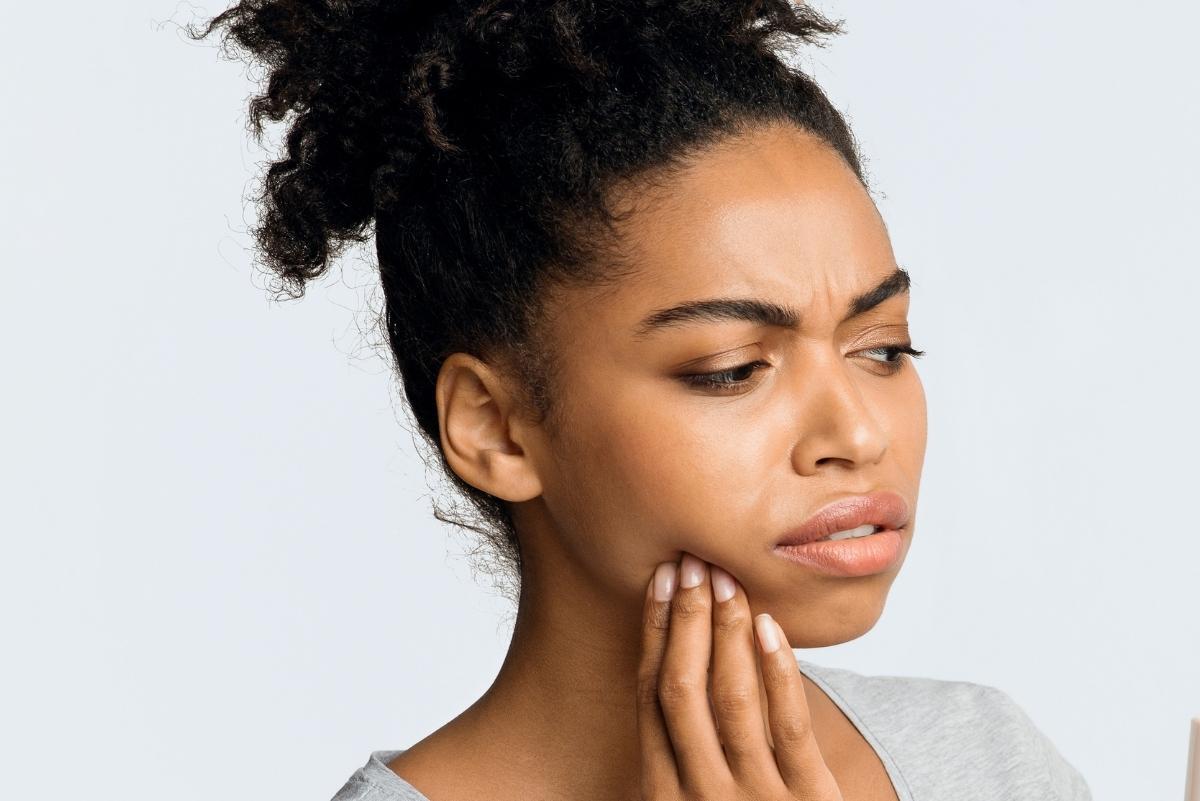
July 27, 2026If your jaw clicks or pops when you open your mouth, chew, or yawn, it is not always a sign that something is wrong. Many people experience occasional jaw clicking without pain or other symptoms. However, if the clicking becomes frequent, painful, or makes it difficult to move your jaw, it is time to have it evaluated. Early care can help prevent discomfort from getting worse and protect the health of your jaw joints.
Why Does Your Jaw Click?
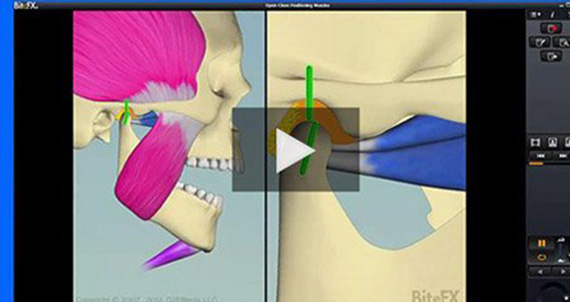
Your jaw moves through a joint called the temporomandibular joint, which connects your lower jaw to your skull. A clicking sound often happens when the small disc inside the joint shifts out of its normal position and then moves back as you open or close your mouth.
A clicking jaw can also develop because of:
- Teeth grinding or clenching
- Jaw muscle tension
- Arthritis affecting the joint
- An uneven bite
- Injury to the jaw
- Frequent gum chewing or nail biting
In many cases, the sound itself is harmless if it happens occasionally and is not accompanied by pain.
When Is Jaw Clicking Considered Normal?
Jaw clicking is usually not a cause for concern if:
- It happens only once in a while.
- There is no pain or tenderness.
- Your mouth opens and closes normally.
- Eating and speaking remain comfortable.
Some people naturally have minor joint movement that creates a clicking sound without causing long-term problems.
Signs You Should Not Ignore
Jaw clicking deserves attention when it begins to affect your daily life. Schedule an evaluation if you notice:
- Pain around the jaw, ears, or face
- Difficulty opening or closing your mouth
- Jaw stiffness or locking
- Frequent headaches
- Pain while chewing
- Swelling near the jaw joint
- Changes in your bite
These symptoms may point to a jaw joint disorder that benefits from early diagnosis and treatment.
How Is the Cause Diagnosed?
Your dental practitioner can examine how your jaw moves, check your bite, and identify areas of tenderness around the joint. Depending on your symptoms, imaging such as X-rays or other scans may be recommended to evaluate the condition of the jaw joint and surrounding structures.
A careful evaluation helps determine whether the problem is related to the joint, muscles, or teeth.
What Treatments May Help?
Treatment depends on the underlying cause and the severity of your symptoms. Common options include:
Self Care
Simple habits often reduce mild symptoms. Resting the jaw, eating softer foods for a short time, avoiding excessive chewing, and applying warm compresses may provide relief.
Night Guards
If teeth grinding or clenching is contributing to the problem, a custom night guard can reduce pressure on the jaw joint while you sleep.
Bite Adjustments
If your bite places extra stress on the joint, your provider may recommend treatment to improve how your teeth come together.
Physical Therapy
Jaw exercises and muscle therapy can improve movement, reduce stiffness, and strengthen the muscles supporting the joint.
Advanced Care
Persistent cases may require additional treatment based on the specific condition affecting the joint. Your provider will recommend the most appropriate approach after a thorough evaluation.
Can Jaw Clicking Be Prevented?
Although not every case is preventable, these habits may lower your risk:
- Avoid clenching your teeth during the day.
- Limit chewing gum.
- Practice stress management techniques.
- Maintain good posture, especially when using electronic devices.
- Address bite problems before they become more serious.
- Schedule routine dental visits to monitor your oral health.
Give Your Jaw the Attention It Deserves
A clicking jaw may seem minor, but ongoing pain or changes in jaw movement should never be ignored. If you are experiencing persistent symptoms, visit Knoxville Smiles in Knoxville for a professional evaluation. Our team will identify the cause, explain your treatment options, and help you restore comfortable jaw function. Schedule your appointment today and take the first step toward lasting relief in Knoxville.
Frequently Asked Questions :
Is jaw clicking always a sign of TMJ problems?
No. Occasional clicking without pain or limited movement is often harmless. Persistent symptoms should be evaluated.
Can stress make my jaw click?
Yes. Stress often leads to teeth clenching and muscle tension, both of which can place extra strain on the jaw joint.
Should I stop chewing gum if my jaw clicks?
Yes. Frequent gum chewing can overwork the jaw muscles and may worsen symptoms in some people.
Can jaw clicking go away on its own?
Mild cases sometimes improve with rest and healthy jaw habits. If symptoms continue or become painful, professional evaluation is recommended.
Share this Article
Back to Dentistry Page