
Pain When Chewing or Biting: Causes, Symptoms, and Treatment Options
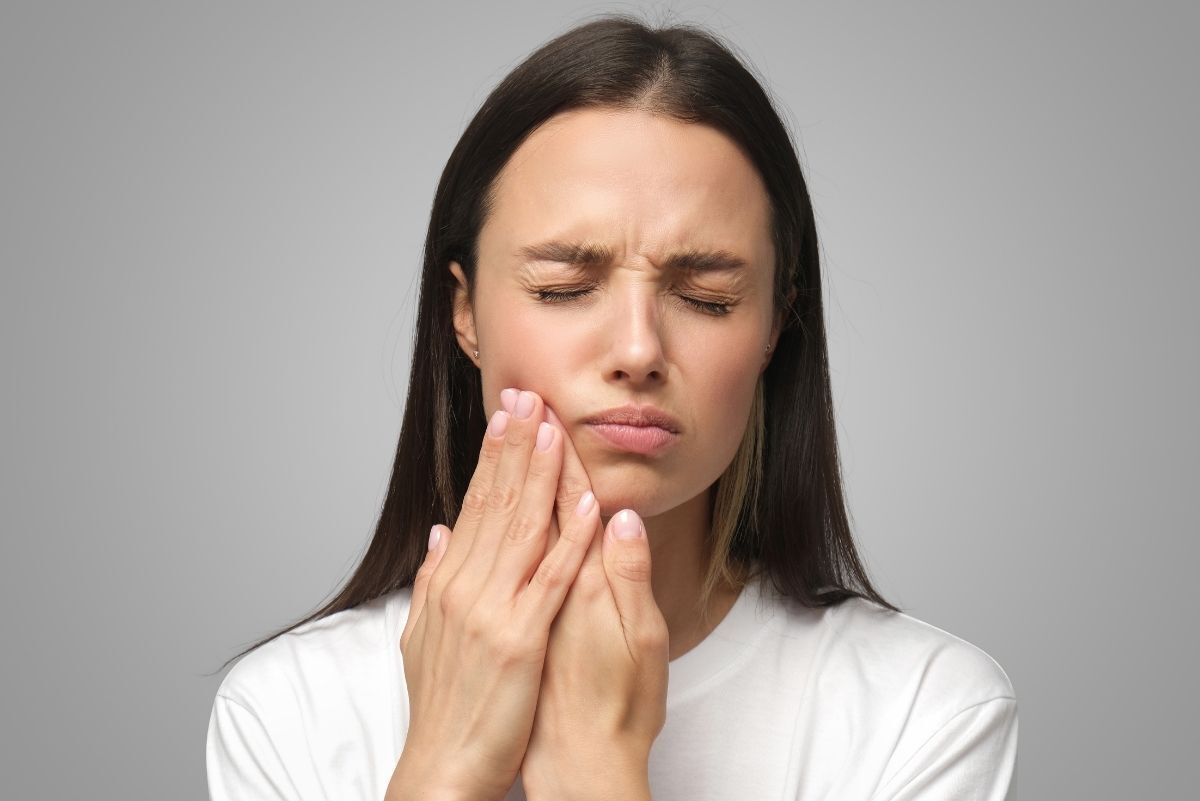
July 13, 2026Pain when chewing or biting is usually caused by tooth decay, a cracked tooth, an infection at the root of a tooth, gum disease, a TMJ (jaw joint) disorder, or a bite that is not aligned properly. Symptoms often include sharp zaps when pressure is applied, a dull lingering ache, jaw clicking, or even pain that spreads toward the ear or temple. Treatment ranges from fillings and crowns to gum therapy and custom oral appliances, depending on what is driving the problem.
Common Causes & Symptoms
Identifying where the pain starts helps narrow down the real issue and guides treatment.
Tooth Decay or Cavities:
A cavity weakens the outer enamel and exposes deeper layers of the tooth. When you bite down, pressure can trigger sudden, sharp pain or sensitivity, especially with sweets or cold foods.
Cracked or Fractured Tooth:
A small crack can create significant discomfort. The tooth may look normal, but when you bite, the fractured sections move slightly and trigger a sharp, sudden pain that disappears when pressure is released.
Dental Abscess or Infection:
An infection inside or around the root of a tooth can lead to intense throbbing pain. You may also notice gum swelling, tenderness, bad taste in the mouth, or pain that worsens when chewing.
Gum Disease & Recession:
When gums become inflamed or begin to recede, the roots of teeth become exposed. This can cause sensitivity and soreness when biting, especially around multiple teeth.
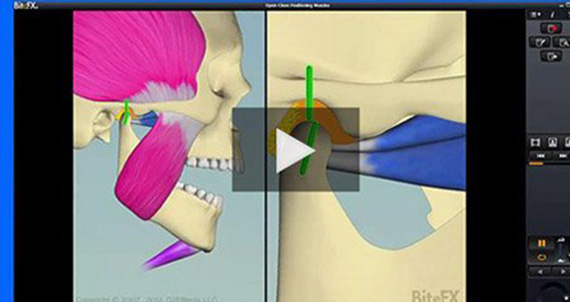
TMJ (Temporomandibular Joint) Disorders:
Problems with the jaw joint can make chewing uncomfortable. Symptoms may include jaw pain, clicking or popping sounds, limited movement, or pain that radiates toward the ear.
Sinus Pressure:
Inflamed sinuses can press on the roots of upper back teeth, creating pain that feels like it is coming from the teeth when you chew or bite.
High Dental Filling or Crown:
If a restoration sits slightly higher than surrounding teeth, it creates uneven pressure. This often leads to discomfort every time the teeth come together.
At-Home Relief & Management
While you wait for an appointment, a few simple steps can help reduce discomfort:
Soft Diet:
Stick to foods that require minimal chewing, such as soups, smoothies, yogurt, and scrambled eggs, to avoid stressing the painful area.
Anti-Inflammatories:
Over-the-counter medications like ibuprofen or naproxen can help reduce pain and inflammation when used as directed.
Temperature Therapy:
A cold compress applied to the outside of the cheek can help numb sharp pain. Warm compresses may help relax jaw muscles if tension is involved.
Habit Changes:
Avoid chewing gum, ice, or hard foods. Try not to chew on the side that triggers pain to prevent further irritation.
Professional Treatment Options
A thorough exam is the only way to confirm the exact cause and build a treatment plan that works for your situation.
Restorative Treatment:
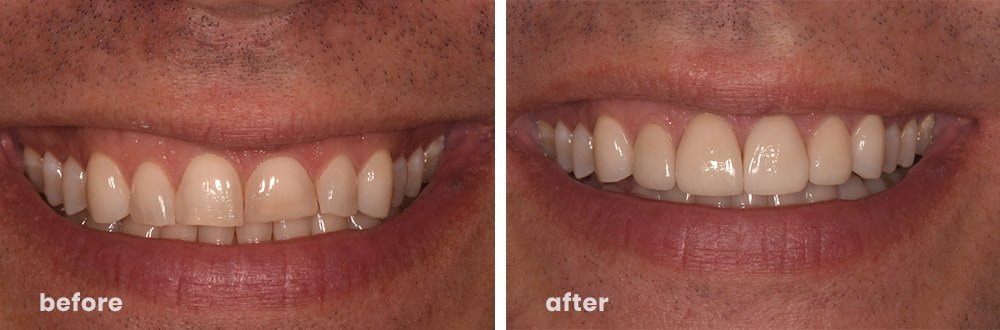
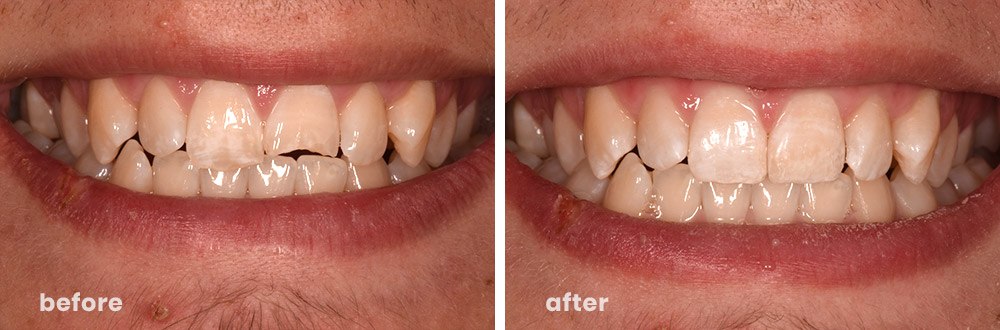
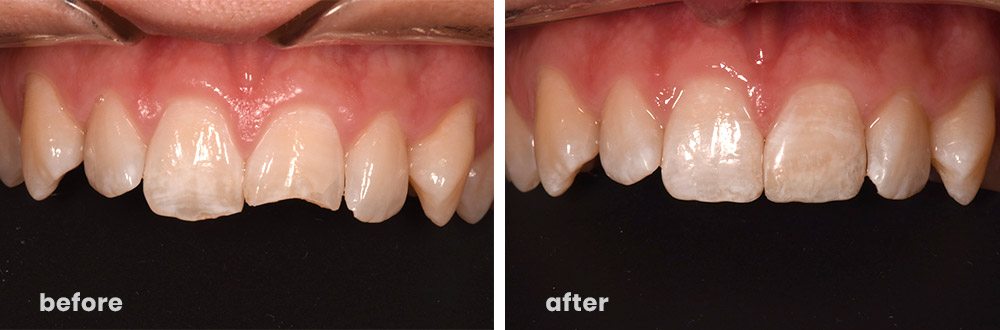
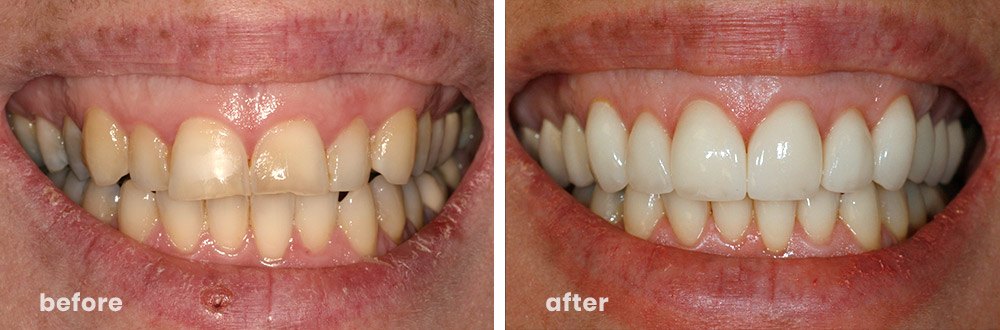
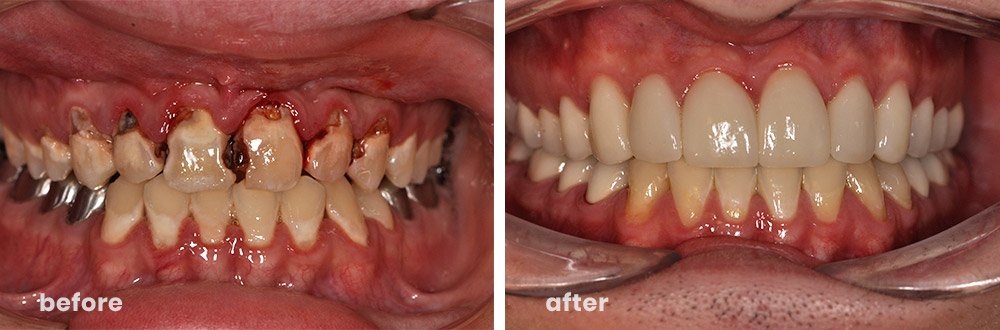
Fillings or crowns are commonly used to repair decay, cracks, or structural damage and restore normal chewing function.
Root Canal Therapy:
If infection reaches the inner tooth, this procedure removes the damaged tissue and relieves deep, persistent pain.
Gum Therapy:
Deep cleaning procedures help control infection and inflammation in the gums, improving comfort and long-term oral health.
Bite Adjustment:
If uneven pressure is the issue, minor reshaping of a filling or crown can help balance how your teeth meet.
TMJ Care:
Jaw-related pain is often managed with a custom night guard, relaxation strategies, or other conservative therapies that reduce strain on the joint.
A proper diagnosis from a Dental specialist is important because chewing pain can look similar across several conditions, even when the cause is very different.
When chewing, pain needs attention
If pain keeps returning, gets worse with time, or starts affecting multiple teeth, it is a sign that something deeper is going on. Early care usually means simpler treatment and faster relief.
Relief that fits your daily life in Knoxville
If chewing or biting pain is making meals uncomfortable, it is time to get clarity on what is really happening. At Knoxville Smiles, we focus on identifying the cause quickly and helping you get back to eating without hesitation.
Contact us today to schedule your visit in Knoxville and take the next step toward lasting relief.
Frequently Asked Questions
Why does my tooth only hurt when I bite down?
This often points to a crack, cavity, or pressure imbalance that only becomes noticeable under force.
Can chewing pain go away without treatment?
It may fade temporarily, but the underlying issue often remains and can worsen over time.
Is jaw pain the same as tooth pain?
Not always. TMJ issues can mimic tooth pain, which is why proper evaluation matters.
Should I stop chewing on the painful side?
Yes, it helps reduce irritation, but it should not replace professional evaluation.
When should I see a dentist for this pain?
If the pain lasts more than a few days, increases in intensity, or affects eating, it should be checked promptly.
Share this Article
Back to Oral Care Page