
Can Dental Implants Get Cavities? The Truth You Need to Know
March 18, 2026Dental implants have become a trusted solution for replacing missing teeth. They restore your smile, help with chewing, and even prevent jawbone loss. But a common question many patients have is: can these implants get cavities like natural teeth? Understanding the truth behind this concern can help you maintain your oral health and protect your investment.
How Dental Implants Differ from Natural Teeth
The Implant Structure
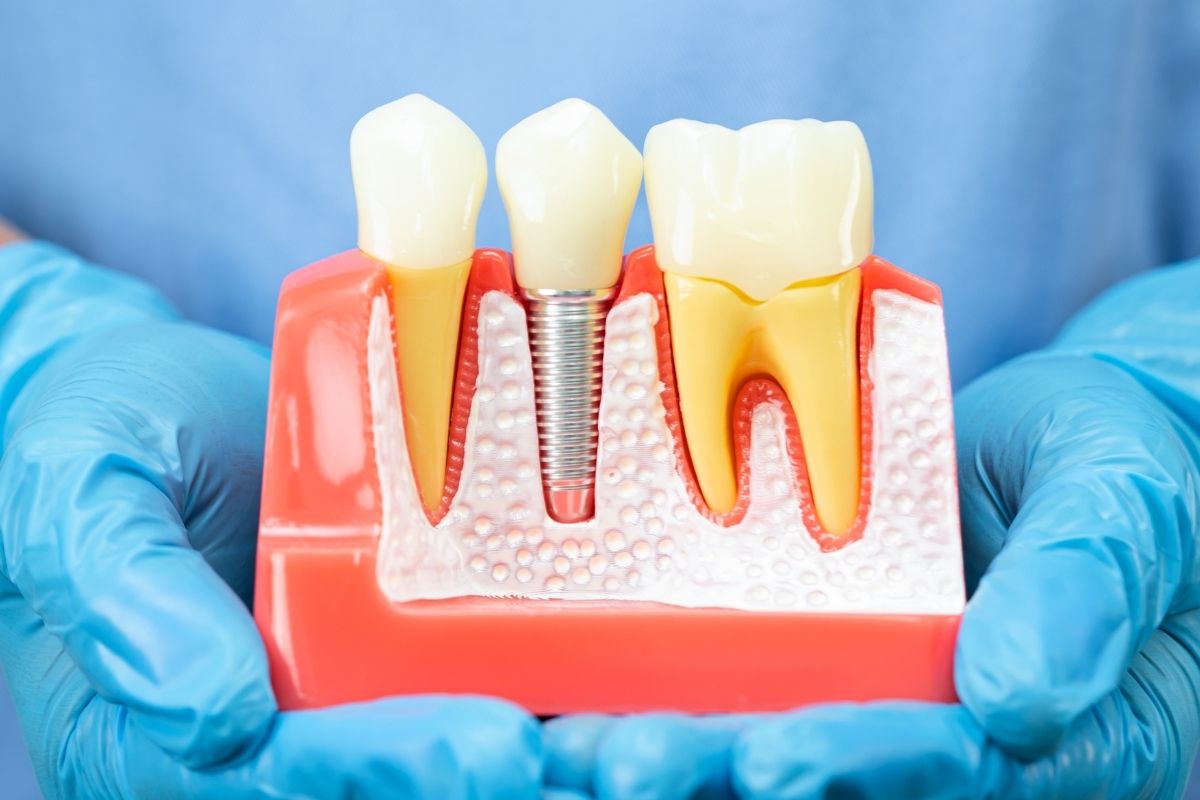
A dental implant consists of three parts: the titanium post, the abutment, and the crown. The titanium post is surgically placed into your jawbone, acting as an artificial root. The crown is the visible part that looks and functions like a natural tooth.
Unlike real teeth, dental implants do not have living tissue inside them, which means they do not develop cavities. Cavities occur when bacteria in the mouth produce acids that eat away at tooth enamel. Since an implant crown is made from materials like porcelain or ceramic, this process cannot happen.
Why Oral Hygiene Still Matters
Even though dental implants can’t get cavities, the surrounding gum tissue and neighboring teeth are still vulnerable to decay and gum disease. A condition called peri-implantitis, similar to gum disease, can affect the tissues around the implant if plaque and bacteria build up. That’s why daily cleaning and routine check-ups are essential.
Dental implant surgery should always be followed by good oral care practices to ensure your new teeth last for decades.
Common Problems People Confuse with Cavities
Some patients notice issues with their implants and worry they have a cavity. Here’s what to watch for:
- Discoloration of the crown: This may happen due to staining from coffee, tea, or smoking. It’s cosmetic, not decay.
- Looseness or movement: If the implant feels loose, it could indicate bone loss or implant failure, not a cavity.
- Gum inflammation: Swelling or bleeding around the implant may signal infection, requiring professional care.
Understanding these differences helps patients respond appropriately without panic.
Tips to Keep Your Implants Healthy
Maintaining your dental implants is similar to caring for natural teeth. Follow these key practices:
- Brush and floss daily: Clean around the implant and neighboring teeth to prevent plaque buildup.
- Use antimicrobial mouthwash: Helps reduce bacteria that can harm gums.
- Schedule regular dental visits: Professional cleanings and exams help detect early issues.
- Avoid hard foods: Chewing ice or hard candies can damage the crown.
- Quit smoking: Smoking increases the risk of implant complications and gum disease.
The Bottom Line on Cavities and Implants
Dental implants cannot get cavities because they are not made of natural tooth material. However, neglecting oral hygiene can still lead to complications around the implant, affecting your overall oral health. Protecting both your implant and natural teeth ensures a healthy, long-lasting smile.
Protect Your Smile with Expert Care
Dental implants are a durable, cavity-proof solution, but they still need care to prevent gum issues and maintain their longevity. At Knoxville Smiles at Malone & Costa Dentistry, we guide you through every step—from dental implant surgery to routine maintenance. Visit our dental clinic in Knoxville to ensure your implants and natural teeth stay healthy and strong for years to come.
FAQs :
Q: Can the crown of an implant decay?
A: No, the crown is made of durable materials like porcelain or ceramic, so it won’t develop cavities.
Q: What is peri-implantitis?
A: It’s an infection of the gums and bone around an implant, similar to gum disease, which can affect implant stability.
Q: How long do dental implants last?
A: With proper care, implants can last 20 years or more. Regular dental visits are key.
Q: Can I whiten my implant crown?
A: Whitening treatments don’t change the color of porcelain or ceramic crowns. Professional polishing is recommended instead.
Q: Are implants harder to clean than natural teeth?
A: No, they require similar daily hygiene, but extra attention around the gum line is important.
Share this Article
Back to Dental Implant Page