
5 Questions New Patients Ask About Intraoral Scanners—Answered
October 12, 2026If you have recently heard about intraoral scanners, you probably have questions. Many new patients at Knoxville Smiles are curious before their first scan. The good news? These questions are completely normal. Dr. Breanna Costa and her team in Knoxville, TN, are here to walk you through everything. This guide covers the 5 questions new patients ask about intraoral scanners—answered so you feel confident and prepared.
What Exactly Is an Intraoral Scanner?
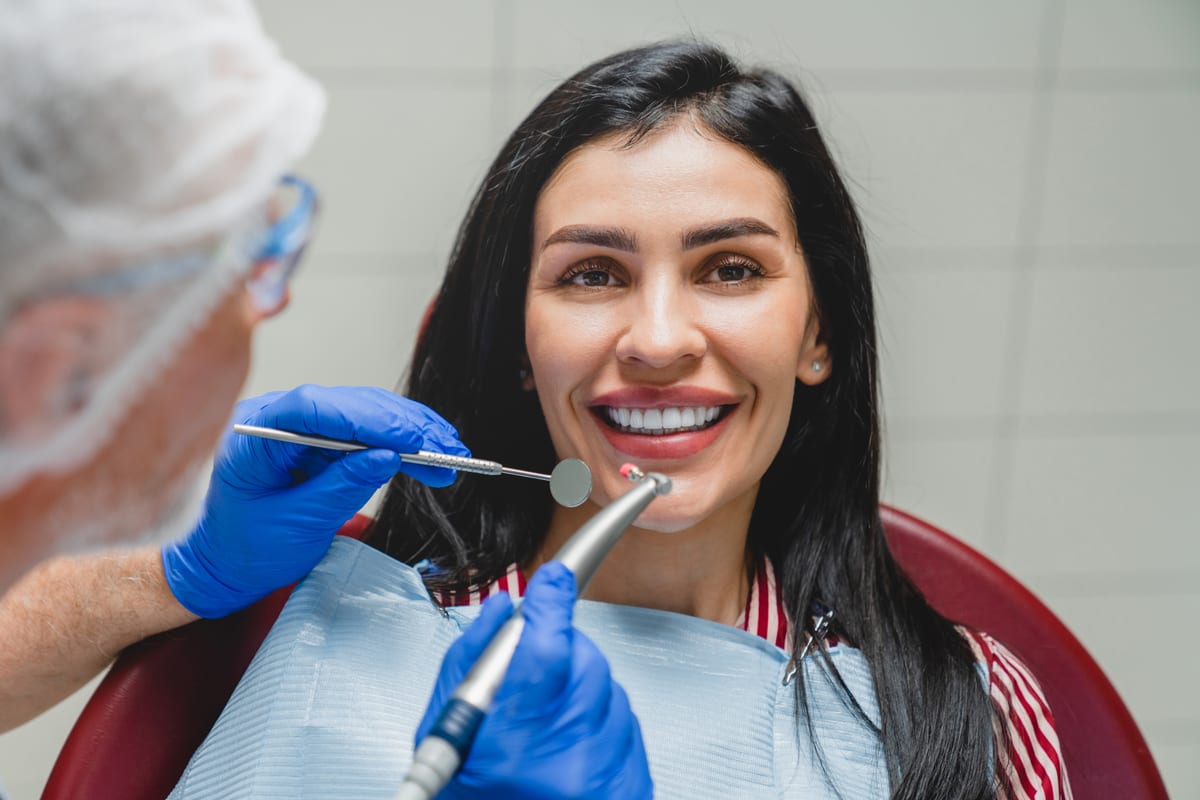
An intraoral scanner is a small, handheld device used inside your mouth. It captures thousands of images per second to build a detailed 3D digital map of your teeth and gums. Think of it as a camera that replaces the old-fashioned dental mold. The result is a precise digital model your dentist can use immediately.
At Knoxville Smiles, we use intraoral scanning technology to make your care faster and more comfortable. Traditional impressions required trays filled with goopy material. Scanning eliminates that entirely. Many patients—especially those with a sensitive gag reflex—find the experience far more pleasant.
The scan data also gives Dr. Costa a clearer view of your oral health. It helps identify areas that might need attention before problems grow larger. This kind of early detection is a key part of our preventive dentistry approach.
Does an Intraoral Scan Hurt?
This is one of the most common concerns new patients raise—and the answer is simple. No, an intraoral scan does not hurt. The handheld wand gently glides along your teeth and gums without any pressure or poking. Most patients say they barely notice it happening.
The entire scan typically takes just a few minutes. You sit back, breathe normally, and let the technology do the work. There are no sharp instruments involved in the scanning process itself. It is one of the gentlest diagnostic tools in modern dentistry.
Patients who previously avoided dental visits due to discomfort often find intraoral scanning reassuring. It signals that dentistry has changed for the better. Dr. Costa is committed to making every appointment at Knoxville Smiles as comfortable as possible.
Why Does My Dentist Recommend an Intraoral Scanner?
Dr. Costa recommends intraoral scanning for several important reasons. First, the digital model is far more accurate than a traditional impression. That accuracy leads to better-fitting dental restorations and treatment plans. Precision matters when your smile is involved.
Second, the scanner allows Dr. Costa to share images with you in real time. You can see your own teeth on a screen during your appointment. This helps you understand your oral health more clearly. Informed patients make better decisions about their care.
Here are some of the most common reasons we use intraoral scanning at Knoxville Smiles:
- Planning crowns, bridges, or other restorations
- Evaluating gum health and bone structure
- Supporting Dental Implant Services Knoxville planning and placement
- Monitoring changes in tooth alignment over time
- Creating custom dental appliances with greater accuracy
Scanning also integrates seamlessly with other technologies we use. This means your care is more coordinated and efficient from start to finish.
How Does Intraoral Scanning Compare to Traditional Impressions?
Many patients ask this question after experiencing a traditional impression in the past. The comparison is straightforward. Traditional impressions use a tray filled with material that hardens around your teeth. They can be messy, uncomfortable, and sometimes inaccurate.
Intraoral scanning replaces that process entirely. The digital method is cleaner, faster, and more precise. There is no waiting for material to set and no risk of a distorted impression. Your data is ready within minutes and can be sent digitally to any specialist or lab.
Here is a quick side-by-side comparison:
- Traditional impression: Takes 5–10 minutes, uses physical material, can trigger gagging
- Intraoral scan: Takes 2–5 minutes, fully digital, comfortable for most patients
- Traditional impression: Risk of distortion if material shifts during setting
- Intraoral scan: Highly accurate 3D model with no physical distortion risk
- Traditional impression: Must be physically sent to a lab
- Intraoral scan: Files sent instantly via secure digital transfer
For patients receiving treatments like Dental Sealants Knoxville, accurate measurements support better outcomes. Better data means better protection for your teeth.
Is Intraoral Scanning Safe for Everyone?
Yes, intraoral scanning is safe for patients of all ages. The device emits no radiation whatsoever. It uses optical light to capture images, which is completely harmless. Children, adults, and seniors can all benefit from this technology.
Patients with dental anxiety often respond especially well to intraoral scanners. The process is transparent—you can watch the 3D model build in real time on a screen. Knowing exactly what is happening reduces fear significantly. Dr. Costa encourages patients to ask questions throughout the process.
The only consideration is ensuring the scanner captures clear images. Saliva can occasionally interfere with image quality. The dental team simply uses a small air dryer to keep the area clear. It is a quick, routine step that takes just a moment.
What Should I Expect During My First Scan at Knoxville Smiles?
Your first intraoral scan is straightforward and low-stress. Here is what typically happens during the appointment:
- Dr. Costa or a team member will explain the process before beginning.
- You will sit comfortably in the dental chair and open your mouth slightly.
- The scanning wand will move gently along each section of your teeth and gums.
- You will see your 3D model appear on a nearby screen in real time.
- Dr. Costa will review the scan with you and discuss any findings.
The whole process is conversational and educational. You leave with a clear picture of your oral health. There is no guesswork and no discomfort. It is dentistry the way it should be—clear, modern, and patient-focused.
After your scan, Dr. Costa may recommend follow-up treatments based on what she finds. This could include a cleaning, gum disease treatment, or other preventive care. Every recommendation comes with a full explanation so you always understand your options.
Conclusion
Intraoral scanners are one of the most patient-friendly advances in modern dentistry. They are painless, fast, and remarkably accurate. Whether you are a first-time patient or returning to dental care after a long gap, scanning makes the experience easier. Dr. Breanna Costa and the team at Knoxville Smiles are proud to offer this technology to our Knoxville community. Book Now to schedule your appointment with our team.
Frequently Asked Questions
Do intraoral scanners use radiation?
No. Intraoral scanners use optical light technology, not radiation. They are completely safe for patients of all ages, including children and pregnant women. There is no exposure risk of any kind during the scanning process.
How long does an intraoral scan take?
Most intraoral scans are completed in two to five minutes. The exact time depends on how many teeth are being scanned and the complexity of the area. It is significantly faster than traditional impression methods.
Will my scan results be shared with specialists?
Yes. Digital scan files can be sent securely and instantly to dental specialists or labs. This speeds up treatment timelines and reduces errors. Dr. Costa coordinates all sharing with your knowledge and consent.
Can children get intraoral scans?
Absolutely. Intraoral scanning is ideal for children because it is non-invasive and quick. Kids tend to tolerate it much better than traditional impressions. It is a great tool for monitoring developing teeth and catching early issues.
Is intraoral scanning available at every Knoxville Smiles appointment?
Intraoral scanning is available and used regularly at Knoxville Smiles. Dr. Costa determines when a scan is clinically appropriate based on your needs. If you are curious whether scanning is right for your next visit, simply ask our team when you call or book online.
Share this Article
Back to Dental Health Page