
How to Know If You Need a Gum Graft for Receding Gums
July 20, 2026If your gums are pulling away from your teeth, you may wonder whether you need treatment or if the problem will resolve on its own. The answer depends on how much gum tissue has receded and whether it is affecting your oral health. A gum graft is often recommended when gum recession exposes the tooth roots, causes sensitivity, increases the risk of decay, or continues to worsen. A dental exam is the best way to determine whether this procedure is the right option for you.
What Is Gum Recession?
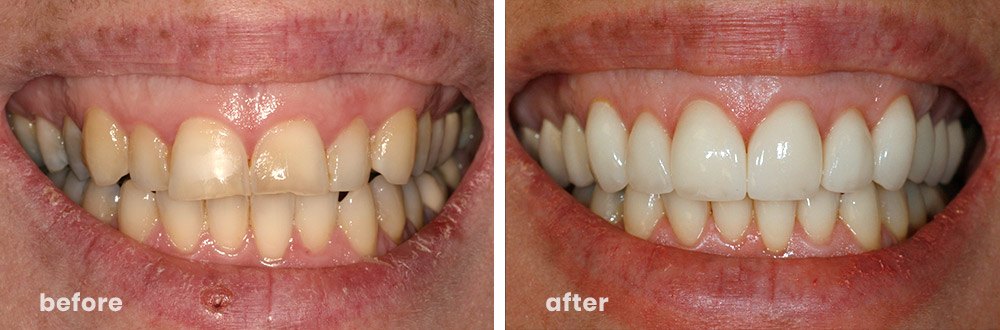
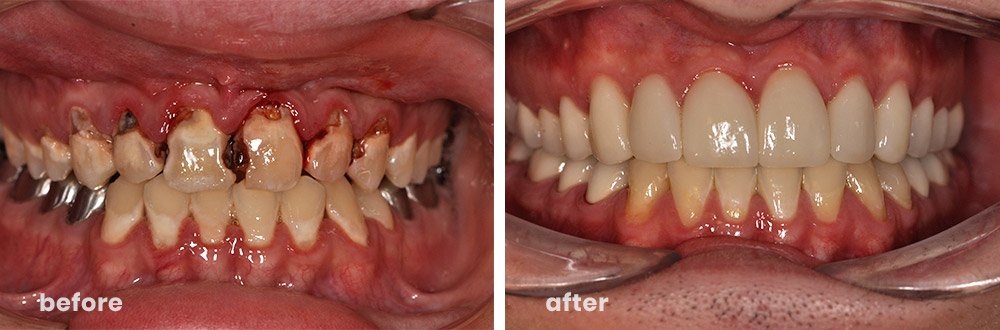
Gum recession happens when the gum tissue surrounding a tooth gradually pulls back, exposing more of the tooth or even the root. Unlike minor gum irritation, receding gums do not grow back naturally. Without treatment, the condition can become more severe and leave your teeth vulnerable to damage.
Signs You May Need a Gum Graft
Not every case of gum recession requires surgery. However, your dentist may recommend treatment if you notice any of the following:
Your Tooth Roots Are Visible
Healthy gums cover and protect the roots of your teeth. If the roots become exposed, they are more susceptible to sensitivity, decay, and wear.
You Experience Tooth Sensitivity
Sharp discomfort when eating or drinking something hot, cold, or sweet may be a sign that exposed tooth roots are no longer protected by healthy gum tissue.
Your Gums Continue to Recede
If your gums keep pulling back over time, the problem is unlikely to improve without professional care. Early treatment can help prevent further tissue loss.
Your Teeth Look Longer
A tooth may appear longer than before because the gumline has moved lower. This is one of the most noticeable signs of gum recession.
You Have a Higher Risk of Root Damage
Exposed roots do not have the same protective enamel as the visible part of your teeth. They are more likely to develop cavities, wear down, or become sensitive.
What Causes Gum Recession?
Several factors can contribute to gum tissue loss, including:
- Gum disease
- Brushing too hard
- Clenching or grinding your teeth
- Tobacco use
- Misaligned teeth
- Naturally thin gum tissue
- Poor oral hygiene
Identifying the cause is just as important as treating the recession itself.
How Is It Treated?
Your dentist will first evaluate the health of your gums. If active gum disease is present, it must be treated before restoring lost tissue.
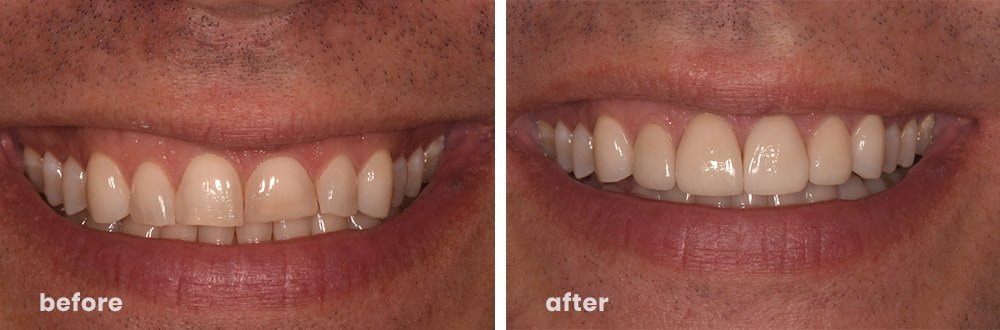
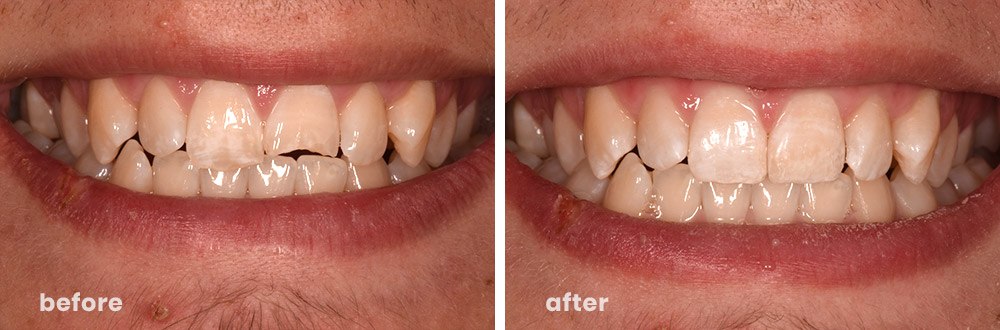
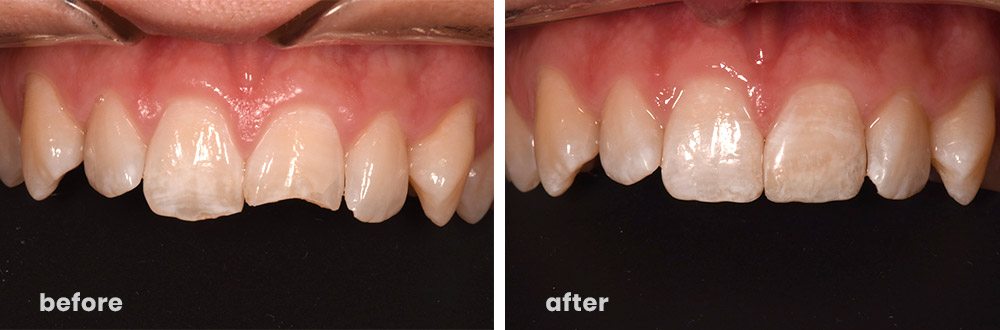
For moderate to severe recession, Gum graft surgery may be recommended to replace lost tissue, protect exposed roots, reduce sensitivity, and help prevent additional recession. The procedure can also improve the appearance of your smile by creating a more even gumline.
If the recession is mild and stable, your dentist may recommend monitoring the area, improving your brushing technique, and scheduling regular cleanings instead of surgery.
Can You Prevent Gum Recession?
While not every case can be prevented, these habits can lower your risk:
- Brush gently with a soft-bristled toothbrush.
- Floss every day.
- Attend routine dental checkups.
- Wear a nightguard if you grind your teeth.
- Avoid tobacco products.
- Treat gum disease as early as possible.
Healthy daily habits can slow or even prevent further recession.
Protect Your Smile Before Recession Gets Worse
If you have noticed your gums pulling away from your teeth or your smile looks different than it used to, do not wait for the problem to progress. Contact Knoxville Smiles to schedule an evaluation and learn whether treatment is right for you. Our team will identify the cause of your gum recession and recommend the most appropriate solution to protect your long-term oral health in Knoxville.
FAQs :
Can receding gums grow back on their own?
No. Once gum tissue has receded, it does not regenerate naturally. A dentist can recommend the most appropriate treatment based on the severity of the recession.
Is every patient with receding gums a candidate for a gum graft?
No. Mild cases may only require improved oral hygiene and regular monitoring. A graft is usually recommended when recession is significant or is causing oral health concerns.
Is a gum graft painful?
The procedure is performed using local anesthesia, so you should not feel pain during treatment. Mild soreness afterward is common and typically improves within a few days.
What happens if I delay treatment?
Untreated gum recession can continue to worsen, increasing the risk of root decay, tooth sensitivity, and damage to the supporting structures around the teeth.
How long does recovery take?
Most patients return to normal daily activities within a few days, while the gums continue healing over the following weeks.
Share this Article
Back to Gum Treatment Page