
Cavity Prevention in Farragut, TN
July 27, 2026Many Farragut residents ignore a small toothache and hope it goes away. That decision often leads to a much bigger problem. The best way to stop small cavities now before they become root canals in Farragut is simple — act early. Dr. Michael Costa and the team at Knoxville Smiles are here to help you do exactly that.

A cavity starts as a tiny soft spot on your tooth enamel. Left untreated, it grows deeper into the tooth. Eventually, it can reach the inner pulp and nerves. That is when a simple filling turns into a root canal.
Why Small Cavities Become Big Problems in Farragut
Tooth decay does not stop on its own. Bacteria keep breaking down your enamel over time. The longer a cavity sits untreated, the deeper it travels into your tooth structure. What costs little to fix today can cost much more tomorrow.
Most small cavities cause little or no pain at first. That is what makes them so dangerous. Patients often feel nothing until the decay reaches the nerve. By that point, a filling is no longer enough.
Here is how a cavity progresses when left alone:
- Stage 1 — Enamel decay: A white or brown spot forms on the tooth surface
- Stage 2 — Dentin decay: The cavity breaks through enamel into the softer layer below
- Stage 3 — Pulp involvement: Bacteria reach the inner chamber containing nerves and blood vessels
- Stage 4 — Abscess: Infection spreads to surrounding tissue and bone
Each stage is more painful and more expensive than the last. Catching decay at stage one or two saves you significant time, money, and discomfort.
How to Stop Small Cavities Before They Become Root Canals in Farragut
The answer starts with regular dental exams. Dr. Michael Costa uses digital X-rays to spot decay you cannot see or feel. Early detection is the single most powerful tool in cavity prevention. Visiting Knoxville Smiles twice a year keeps small problems from becoming serious ones.
Beyond check-ups, dental sealants offer strong protection. Sealants coat the grooves of your back teeth where cavities most commonly form. They create a barrier that keeps bacteria and food particles out. Children and adults both benefit from this simple preventive treatment.
Fluoride treatments also play an important role. Fluoride strengthens enamel and can even reverse early-stage decay. A quick in-office application takes just minutes. It gives your teeth a powerful layer of defense against future damage.
Your daily habits matter just as much as your dental visits. Brush twice a day with fluoride toothpaste. Floss once daily to remove bacteria between teeth. Limit sugary snacks and drinks that feed the bacteria causing decay.
What Happens During a Cavity Treatment at Knoxville Smiles
If Dr. Costa finds a small cavity during your exam, treatment is quick and comfortable. He removes the decayed portion of the tooth and cleans the area thoroughly. Then he places a tooth-colored composite filling that blends naturally with your smile. The whole process usually takes less than an hour.
Knoxville Smiles also offers laser dentistry for certain cavity treatments. Laser technology can remove decay with greater precision than traditional drills. It often requires less anesthesia and causes less discomfort. Many patients find the experience far more comfortable than they expected.
Here is what you can expect during a simple filling appointment:
- Dr. Costa reviews your X-rays and examines the affected tooth
- The area is numbed with a local anesthetic for your comfort
- Decay is removed using a drill or laser instrument
- The tooth is cleaned and prepared for the filling material
- A tooth-colored composite resin is placed and shaped to fit your bite
- The filling is polished and your bite is checked for comfort
Recovery is minimal. Most patients return to normal activities the same day. Treating a cavity at this stage protects you from a much more involved procedure later.
When Prevention Is Not Enough — Understanding Root Canal Treatment
Sometimes patients come to us after decay has already reached the pulp. In these cases, a root canal is the right treatment to save the tooth. Root canal treatment removes the infected tissue inside the tooth. It relieves pain and prevents the infection from spreading further.
At Knoxville Smiles, Dr. Costa performs root canal treatment with patient comfort as the top priority. Modern techniques and anesthesia make the procedure far more comfortable than its reputation suggests. Most patients are surprised by how manageable the experience actually is.
However, the goal is always to help you avoid that point entirely. Addressing decay early through restorative dentistry keeps your natural teeth healthy and intact. Preserving your natural tooth is always the best outcome for your long-term oral health.
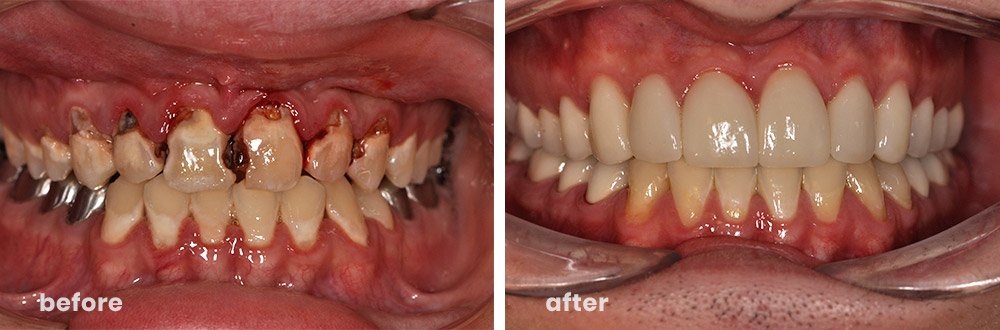
If a tooth has been damaged or lost due to advanced decay, options like dental crowns or dentures can restore your smile. Knoxville Smiles also offers Cosmetic Dentistry solutions to help you feel confident in your smile again. But these are always a last resort — prevention is always the smarter path.
What to Do If You Have a Dental Emergency in Farragut
Sometimes a neglected cavity escalates quickly and causes sudden, severe pain. An abscess or cracked tooth from advanced decay can become a dental emergency. If you experience intense tooth pain, swelling, or fever, do not wait. Prompt care can prevent the infection from spreading to surrounding teeth and tissue.
Knoxville Smiles understands that dental emergencies are stressful and frightening. Our team is ready to see urgent cases and help you find relief as quickly as possible. If you need Emergency Dentistry care in Farragut, contact our office right away. Getting treatment fast can mean the difference between saving and losing your tooth.
The best emergency is the one that never happens. Staying current with your preventive care dramatically reduces your risk of sudden dental crises. Two simple check-ups each year give Dr. Costa the chance to catch and address problems early.
Your Cavity Prevention Plan Starts Today
Farragut residents have access to comprehensive, preventive dental care right in their community. Dr. Michael Costa and the Knoxville Smiles team are committed to helping every patient keep their natural teeth healthy for life. You do not have to wait until pain forces you into the chair. Proactive care today means fewer problems and less expense tomorrow.
Start with a routine exam and cleaning. Let Dr. Costa take a close look at your current oral health. If small cavities are present, treating them now is straightforward. Waiting only gives decay more time to grow.
Your smile is worth protecting. The sooner you act, the simpler and more affordable the solution will be. Book Now to schedule your appointment with our team.
Frequently Asked Questions
How do I know if I have a small cavity?
Small cavities often have no symptoms at all. You may notice a white spot, slight tooth sensitivity, or a visible pit on the tooth surface. The only reliable way to detect early decay is through a dental exam and X-rays. Dr. Costa checks for cavities at every routine visit.
Can a cavity go away on its own without treatment?
Early-stage enamel damage can sometimes be reversed with fluoride treatments and improved oral hygiene. However, once a cavity has broken through the enamel, it will not heal on its own. It will continue to grow deeper without professional treatment. Acting quickly gives you the best chance of a simple, affordable fix.
How often should Farragut residents visit the dentist to prevent cavities?
Most adults and children benefit from dental check-ups every six months. Some patients with a higher risk of decay may need to visit more frequently. Dr. Costa will recommend a schedule that fits your specific oral health needs. Consistent visits are the most effective tool for preventing serious dental problems.
Is a root canal really necessary if a cavity gets too deep?
Yes, when decay reaches the inner pulp of the tooth, a root canal is typically needed to remove the infection and save the tooth. Without treatment, the infection can spread and lead to tooth loss. Root canal treatment at Knoxville Smiles is designed to be as comfortable as possible. Most patients find modern root canal therapy much easier than they anticipated.
What makes laser dentistry different from traditional cavity treatment?
Laser dentistry uses a precise beam of light energy to remove decayed tissue instead of a traditional drill. It often requires less anesthesia and causes less discomfort during and after treatment. Lasers also reduce the risk of bacteria spreading during the procedure. Dr. Costa uses laser technology to make cavity treatment more comfortable for appropriate cases.
Share this Article
Back to Dental Health Page