
What Happens If You Leave a Cavity Untreated?
June 26, 2026A small cavity may not seem urgent at first. You might not feel pain, notice visible damage, or think much about it during your day. But tooth decay does not stay in one place. Once it starts, it continues to spread deeper into the tooth over time.

What begins as a minor issue can eventually lead to infection, severe discomfort, and even tooth loss if left untreated. Knowing how cavities progress can help you take action before the problem becomes more difficult to treat.
How a Cavity Gets Worse Over Time
Stage 1: Early Enamel Damage
Cavities usually begin when plaque bacteria produce acids that weaken the enamel, which is the outer protective layer of the tooth.
At this stage, you may notice:
- Mild sensitivity to sweets
- Occasional discomfort with cold drinks
- White or dark spots on the tooth
Some people experience no symptoms at all, which is why early decay often goes unnoticed.
Stage 2: Decay Reaches the Dentin
Under the enamel is a softer layer called dentin. Once the cavity reaches this area, the decay tends to spread faster.
You may start experiencing:
- Sharp sensitivity
- Pain while eating
- Food gets trapped in the tooth
- Visible holes or rough spots
Because dentin is softer than enamel, the tooth becomes weaker and more vulnerable to damage.
Stage 3: The Tooth Becomes Infected
If the cavity continues growing, bacteria can enter the pulp inside the tooth, where the nerves and blood vessels are located.
This often leads to:
- Persistent toothaches
- Throbbing pain
- Swelling around the gums
- Bad breath or a bad taste in the mouth
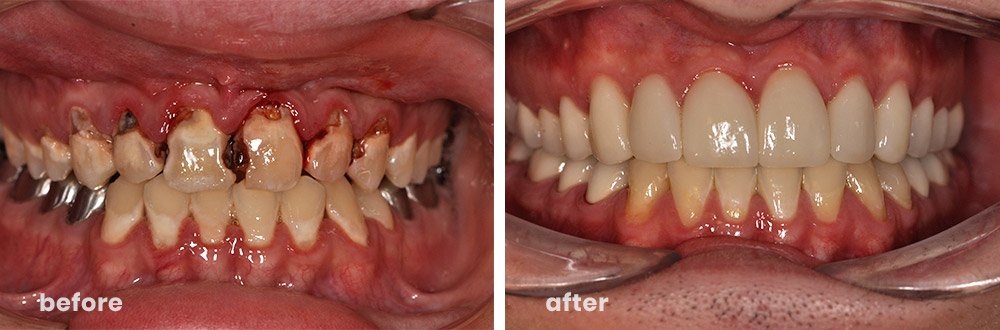
At this stage, the infection may form an abscess, which is a serious dental problem that should not be ignored.
What Can Happen If You Wait Too Long?
Leaving decay untreated can create more than just occasional discomfort. Over time, the damage may affect your overall quality of life.
The Tooth Can Break Down
As more of the tooth structure weakens, the tooth may crack or crumble. A small filling may no longer be enough to repair the damage.
Treatment Becomes More Complex
Early cavities are typically easier to manage. Once decay spreads deeper, treatment often requires more time and restoration work.
Tooth Loss Becomes a Risk
In severe cases, the tooth may no longer be restorable. Losing a natural tooth can affect chewing, speech, and the appearance of your smile.
Seeing a qualified dental specialist early can help prevent advanced damage and improve the chances of saving the tooth.
Signs You Should Not Ignore
It is important to schedule a dental visit if you notice:
- Tooth sensitivity that does not go away
- Pain while chewing
- Swollen or tender gums
- Dark spots on a tooth
- Persistent toothaches
- A chipped area collecting food
Even mild symptoms can point to deeper decay developing below the surface.
Why Early Treatment Matters
Many people delay care because the cavity does not hurt yet. Unfortunately, cavities rarely improve without professional treatment.
Addressing decay early often means:
- Less discomfort
- Shorter appointments
- More conservative treatment
- Better protection for the natural tooth
Preventive care and routine exams also help catch problems before they become emergencies.
For patients in Knoxville, regular dental checkups can play a major role in preventing avoidable tooth damage.
Protect Your Smile Before the Problem Gets Bigger
A cavity may start small, but it can quickly turn into a painful and stressful issue when ignored. Paying attention to early symptoms and seeking care promptly can make treatment much easier.
If you are experiencing sensitivity, discomfort, or signs of tooth decay, the team at Knoxville Smiles is ready to help. Visit our Knoxville dental office to protect your smile before minor decay turns into a larger problem.
Frequently Asked Questions :
Can a cavity heal naturally?
No. Once a cavity creates permanent damage in the tooth, it will not heal on its own without dental treatment.
How do I know if a cavity is serious?
Persistent pain, swelling, sensitivity, or visible holes in the tooth may indicate that the decay has progressed deeper.
Can untreated cavities cause infection?
Yes. Bacteria can eventually reach the inner portion of the tooth and create an infection or abscess.
Is it bad to ignore a cavity if it does not hurt?
Yes. Many cavities become larger before pain develops, which is why early evaluation is important.
Share this Article
Back to Cavity Protection Page