
Does Gum Disease Prevent Me from Getting Implants
July 12, 2024Dental implants are a common and practical way to replace lost teeth, providing a long-lasting and aesthetically pleasing substitute for bridges and dentures. If you have gum disease, you may wonder if receiving dental implants will be impossible for you. At Knoxville Smiles, we are dedicated to giving our patients the best dental treatment and responding to any inquiries you may have regarding dental implants. What you should know about gum disease and how it affects your candidacy for dental implants in Knoxville, Tennessee, is provided below.

What is Gum Disease?
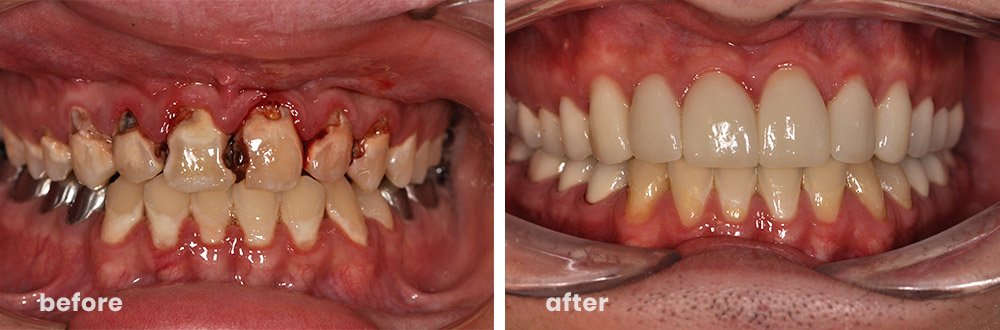
Periodontal disease, another name for gum disease, is an illness caused by bacteria that damages the tissues that support your teeth and gums. Gingivitis is the first condition, marked by red, swollen gums that are prone to bleeding. Once you develop gingivitis, it can develop into periodontitis, a more serious gum condition that can result in the loss of teeth and bone if left untreated.
Symptoms
Common symptoms of gum disease include:
- Red, swollen, or bleeding gums
- Persistent bad breath
- Receding gums
- Loose or shifting teeth
- Pus between your teeth and gums
The Impact of Periodontal Disease on Dental Implants
Bone Health and Dental Implants
For dental implants to be firmly anchored, there must be enough healthy bone. Bone loss brought on by gum inflammation might undermine the foundation required for an implant to be placed successfully.
Risk of Infection
Periodontal disease is an active infection, and placing a dental implant in an infected area can lead to complications. The infection could spread, jeopardizing the stability and success of the implant. For this reason, it’s crucial to address and treat gum infections before considering dental implants.
Can I Get Dental Implants if I Have Gum Disease?
Treating Gum Disease First
Fortunately, periodontal infection does not automatically rule you out of the running for dental implants in Knoxville. But first, you’ll need to get treated for restoring gum health. Our dental experts at Knoxville Smiles will collaborate with you to create a thorough treatment plan that will address your gum disease and improve the health of your mouth.
Treatment Options for Gum Disease
Treatment options for gum disease may include:
- Scaling and Root Planing: A thorough cleaning process to smooth the surfaces of the roots and eliminate tartar and plaque from underneath the gum line.
- Antibiotic Therapy: Medications to help eliminate infection and control bacteria.
- Surgery: In more severe situations, bone grafting or flap surgery can be required to repair your gums and bone.
Evaluating for Implants After Treatment
Once your gum disease is under control, our dental team will re-evaluate your oral health to determine if you are a suitable candidate for dental implants. This evaluation includes assessing the health and density of your jawbone. If necessary, additional procedures such as bone grafting may be advised in order to guarantee that there is sufficient healthy bone to support the implant.
Benefits of Dental Implants
Dental implants offer numerous benefits, including:
- Natural Appearance: Implants resemble your natural teeth.
- Functionality: You can freely eat, speak, and smile with confidence.
- Durability: If properly maintained, it can last for a long period of time
- Bone Health: Implants help prevent bone loss by stimulating the jawbone, much like natural teeth.
Gum disease does not necessarily prevent you from getting dental implants, but it does require careful management and treatment. At Knoxville Smiles, our goal is to assist you in achieving both a gorgeous smile and the best possible dental health. If you are considering dental implants in Knoxville, schedule a consultation with our experienced team. We will guide you through the necessary steps to treat your gum disease and determine the best approach for your dental implant treatment.
Share this Article
Back to Dentistry Page